EO Charging Appoints Richard Staveley as CEO
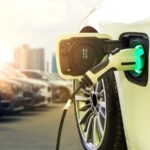
EO Charging, a global pioneer in electric vehicle (EV) charging solutions for depot-based fleets, announced the appointment of Richard Staveley as its new CEO.
Founder Charlie Jardine will transition to the role of President and Founder. Jardine will be relocating to the US later this year so he can focus on growing EO’s presence in North America and other global markets.
"His [Staveley's] leadership and strong investor backing place EO in an excellent position to advance our goals and further galvanize our presence as the go-to partner for fleet electrification globally," said Jardine.
Geotab 2024 Trend Predictions for Connected Vehicles
Geotab Inc., a global leader in connected transportation solutions, released its 2024 predictions. In an increasingly cost driven and challenging economy, Geotab’s top predictions address how organizations are looking for ways to lower cost, improve performance and adapt to changing demands.
“Looking ahead into 2024, we foresee data and AI predictability as critical to staying ahead of the curve,” said Sabina Martin, AVP of Product Management. “AI driven insights powered by strong foundational data will help guide organizations through economic challenges, propel sustainability initiatives and ensure adaptability in an ever-changing world.”
Geotab also supports the transition to low-carbon transportation, working towards environmental, social and ethical goals. You can download the Geotab Sustainability and Impact Report by clicking here.
Vice President Harris Announces More Than $100 Million to Support American Auto Workers and Small Auto Suppliers
Vice President Kamala Harris has announced $100 million in federal grants for automotive suppliers as the White House looks to accelerate the car industry’s transition toward electric vehicles.
The money will be allocated to small and medium-sized automotive suppliers through two government initiatives, both managed by the Department of Energy. Half will be distributed by the Automotive Conversion Grant program, which aims to help companies upgrade existing ICE-focused factories to support electric vehicle manufacturing.
The remaining $50 million will help companies improve “energy and material efficiency, cybersecurity, or productivity, or reduce the greenhouse gas emissions” at their facilities.
FreeWire Closes its HQ and Lays Off Just About Everyone
Despite freshly inked deals with national brands like Chevron and General Motors, novel EV fast charging solution FreeWire has announced plans to close its Newark, California corporate headquarters and lay off virtually “all” of the company’s 113 on-site employees.
FreeWire is able to place DC fast charging solutions without the need for expensive utility buildouts by using batteries to store energy until it’s needed. The batteries can be effectively “trickle charged” with a standard 110 or 220 AC connection, then “dump” that charge quickly – enabling a 200 kW DCFC experience for EV drivers at a fraction of the cost of conventional DC infrastructure.
A Call to Action: How to Tackle Your Top 10 Marketing Pain Points
By Ed Pierce, Fleet Management Weekly’s Brand Acceleration
Marketing pain points are the issues and challenges that hinder your company’s marketing efforts. They restrict your brand’s ability to connect with its audience, generate leads, and drive growth.
When your business understands what pain points it’s facing, you can tailor strategies more effectively and create solutions that propel your business endeavors forward.
Conquering marketing pain points requires both strategic and proactive action.
By prioritizing clear objectives, leveraging cost-effective alternatives, and fostering consistency in brand reputation, your business can overcome the obstacles and reach effective solutions with a competitive edge.