The Car Safety Feature That Kills the Other Guy
For decades, roadway safety efforts have focused on a single, dominant mission: Protect the people inside cars. But vehicle safety issues are very different now.
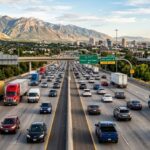
Car buyers who purchase an SUV or truck “to protect themselves” are turning safety into a zero-sum game, with pedestrians and cyclists paying the price. Buying a bigger car can be a rational choice for an individual or family. But when you scale that decision across an entire nation, it’s a recipe for carnage.
A 2015 federal study found that an SUV is two to three times more likely to kill a pedestrian than a car is. The ascent of SUVs increased pedestrian deaths, which hit a 40-year high in 2021. Cyclist deaths, meanwhile, rose 44 percent from 2010 to 2020.

Education: Passport to the Future
We are privileged to learn from the best in our industry in an abundance of venues, including this publication.You will find a plethora of great articles on a wide variety of fleet-related topics in FMW's Thought Leadership Library.
Ted Roberts and I had the pleasure of attending RTA Fleet’s outstanding 2022 Fleet Success Summit this last spring. Now, fleet expert Steve Saltzgiver talks with FMW about RTA's upcoming 2023 Fleet Success Summit scheduled for March 21-23 in Las Vegas. Saltzgiver says, "This year, the slogan 'What happens in Vegas, stays in Vegas' will be violated as attendees will take back some priceless fleet management gems and best practices to significantly improve their operations"
We recently talked with G. Satish, CEO and co-founder of Connixt to learn about their mobile app for maintenance crews. It has some impressive intuitive features -- don't miss Fleet Maintenance Made Modern: Connixt Changes the Game.
Do you always use your turn signals when you change lanes? I thought about my own habits when I read Art Liggio’s article: Understanding the Real-Life Failure Points that Minimize the Benefits of Lane Keeping Technology.
Janice Sutton
Editor in Chief
Bidirectional Charging Can Make EVs a Profit Center
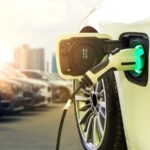
This bidirectional charging solution from Fermata Energy can make EV charging a profit center for your fleet.
Spireon Launches Real-Time Tracking for 2022 U.S. Capitol Christmas Tree
Spireon, a Solera company, in partnership with the nonprofit Choose Outdoors, is launching its annual real-time tracking of the U.S. Capitol Christmas tree as it travels this holiday season.
The tree will be harvested from the National Forests in North Carolina and end its journey on the West Lawn of the United States Capitol in Washington, D.C. Spireon’s FleetLocate® trailer management solution will track the tree’s GPS location and you can follow it at www.capitoltreetracker.com.
“We’re thrilled to support this unique tradition that celebrates both the season and our nation’s forests. The joy this event spreads throughout communities is always inspiring, and we are so proud our products get to be a part of it.”
Not All Smartphone-based Emergency Response Services are Created Equal!
By Ed Dubens, CEO/Founder of eDriving
We are seeing an increasing number of smartphone-based collision detection, personal SOS, and emergency response service solutions being launched across the globe.
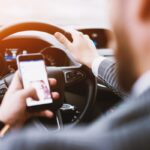
A poor crash detection system can mistake a dropped or tossed phone for a crash. Even very competent algorithms frequently misread forceful braking and cornering, as well as merely moving the phone, as crashes.
To solve the need for low-speed collision detection and for drivers to receive live help in the event of an emergency in or out of their vehicle, eDriving partnered with Sfara & Bosch to provide a smartphone-integrated solution in 50 countries globally.