Drunk Driving Blood-Alcohol Level May Be Lowered
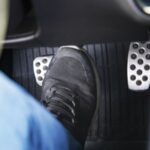
A new government report recommends that all states significantly lower the level of alcohol in the blood from .08% to .05%, to be considered driving under the influence of alcohol.
The 489-report also calls for a number of other steps that could reduce alcohol consumption, including higher alcohol taxes and shorter hours for bars, restaurants and liquor stores.
“We know that impairment to drive a car actually starts far lower than 0.08. It starts at 0.02 or 0.03,” said Dr. Timothy Naimi, of the Boston Medical Center. “And there’s also good evidence to show that dropping from 0.08 to 0.05 saves lives.”
Read the article at The Detroit Bureau.

It’s High Time We Weed Out the Risks of Drugged Driving
By Art Liggio, President and CEO, Driving Dynamics
Last year Safety & Risk featured two columns: “Alert the Fleet: The Other Driver Has Been Abusing Prescription Opioids” and “Riding High in My ’58 Ford Cortina,” both intended to raise awareness that we’re sharing the road with more and more drivers operating their vehicles with diminished capacity.
And as more states legalize the use of marijuana―most recently added was California with 38 million inhabitants representing 12 percent of our country’s population, the message of vigilance and preparedness is worth repeating.
With access to this recreational drug becoming more easily available ever day, it’s almost certain we’ll see an increase in the number of individuals operating vehicles under the influence, putting themselves and the rest of us in harm’s way.
Insurance is Higher on High Tech Cars
The high-tech features on new cars make navigating the roads safer, but come with a higher price tag on the vehicles as well as the repairs and insurance.
Fixing a bumper isn't the same old job. Repairing a bumper on an entry-level luxury car, for example, can cost about $3,550 for a 2016 model for parts and labor, compared with about $1,845 for a 2014 model, according to data from Liberty Mutual Insurance.
Why? The 2016 model has a distance sensor; the 2014 model does not. Parts are 130% higher and labor is 18% higher.
"Increasingly, simple, small repairs can now be much more costly and complex to do," said Maxime Rieman, product manager for insurance at ValuePenguin.com, a personal finance research firm with a website that can help consumers select insurance plans.
Read the article at Detroit Free Press.
GM’s Self-Driving Car Makes Debut Appearance
At GM global headquarters, the self-driving Cruise AV was displayed. GM hopes to mass produce the car for a driverless taxi fleet in a yet-to-be-named city that would launch sometime next year.
Last week a request was filed with the National Highway Traffic Safety Administration to deploy the car, which doesn’t have a human at the controls for steering, accelerating or braking.
"If NHTSA grants GM’s request, the automaker could build up to 2,500 per year, but GM said it is not committing to production volumes at this time. A GM spokesman said Wednesday it’s likely they will be built at the Orion Assembly plant, where the test Cruise AVs are built, but the automaker is not committing to anything yet."
Read the article at The Detroit News
New to Fleet? Here are Some Good Ways to Get Up to Speed.
For folks who are new to fleet, industry icon Mike Pitcher has some good advice on ways to get up to speed.