New Poll Shows Most People Skeptical of Driverless Cars
A new poll released by Advocates for Highway and Auto Safety reveals that most people don’t trust driverless car technology and think that Congress and the federal government should impose minimum safety requirements on these vehicles before they hit public roads.
A majority (63 percent) said they would not support “mass exemptions” from federal motor vehicle safety standards, and were not comfortable (75 percent) with automakers having the power to remotely disable vehicle controls when the autonomous vehicle is being operated by the computer.
“The Department of Transportation needs to issue some regulations as driverless vehicles are put onto the road to ensure a minimum level of safety and security,” said Jackie Gillan, president emeritus at the Advocates for Highway and Auto Safety. “Right now, that’s not the case.”.
Read the article at The Verge.

Nominations For 2018 FLEXY Awards Close This Saturday
During the annual Institute and Expo, NAFA holds the Fleet Excellence Awards (FLEXYs), an annual award program dedicated to recognizing the best and brightest in the fleet management profession.
The FLEXYs shine a spotlight on those who impacted fleet in both the corporate and public fleet segments during 2017. These awards will be reviewed by a prestigious industry panel consisting of fleet managers, fleet management company professionals, and members of the fleet industry.
Submit nominations today at NAFA's hassle-free online nominations form.
The Millennial Motto – “Work Smarter, Not Harder”
To be successful in the future, businesses will need to understand and embrace the millennial generation while rethinking their approach to recruitment, retention, and workforce productivity.
According to the Business Journal, only 29% of millennials report feeling engaged in their jobs.
"Managers need to better understand how to work with millennials, how to keep them engaged, and most important, how to recognize the value we can add as employees."
Read the article at Managed Healthcare Executive.
Does Your Company Car Know More About You Than Your Spouse?
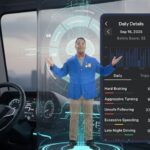
The everyday movements of tens of millions of American cars are being monitored with a huge amount of personal information being collected - everything from how fast a person drives, how hard he brakes, to how much fuel his car uses and the entertainment he prefers.
Often without owners’ knowledge, carmakers have transformed the automobile to a sophisticated computer on wheels that offers even more access to our personal habits and behaviors than smartphones do.
“Any company that has tons of data about consumers and can control the interaction with them is going to have the capability and incentive to try to use that information to the company’s advantage — and possibly to the detriment of consumers,” Ryan Calo, an associate professor of law at the University of Washington said.
Read the article at The Washington Post.
Electric Vehicle Tax Credit May Hurt Tesla and GM
The renewable energy subsidies survived Republican tax reform, including the $7500 electric vehicle tax credit which begins to phase out after a company sells 200,000 electric vehicles.
The 200,000 limit on the tax credit was added in 2009 when Congress extended incentives for plug-in vehicles passed during the George W. Bush administration, as a way to move the nation toward energy independence.
Tesla and G.M. have benefited from the tax credit, but will soon lose their competitive edge as they both are expected to reach the 200,000 limit this year.
Read the article at The New York Times.