A Hurdle For Self-Driving Cars – Intuition
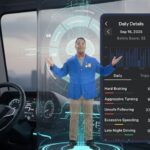
Self-driving cars being tested today are being “taught” millions of potential situations of how traffic works and what can go wrong, and their systems are able to search these possibilities very quickly.
Some experts believe that people react primarily on responses to feelings, not by thinking through every move. That includes driving. Driving a car is complicated, and some are questioning when artificial intelligence might fully be up to the task of taking over completely.
Read the article at The Detroit News.

Teen Drivers Learn Bad Habits From Parents
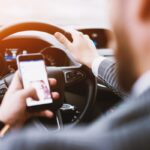
A new national study by Boston-based Liberty Mutual Insurance found that while parents are asking their teens not to text and drive, parents are texting them and expecting a response.
The main reasons teens use their phones while behind the wheel are to respond to (47 percent) or contact their parents (44 percent), the study said.
The study also found that 37 percent of parents of teen drivers use apps while driving, which is almost at the same rate of teens at 38 percent. Additionally, the study also found that parents admit to speeding, driving while tired and even taking selfies behind the wheel at similar or higher rates than teenagers.
Read the article at Chicago Tribune.
Some of Our Favorite, Best-Selling Vehicles Are Getting Safer
After resisting safety regulations for a couple of generations, automakers have learned that being perceived as a safety leader is good for business.
Advanced driver assistance systems like collision alert and autonomous emergency braking are increasingly common in affordable, high-volume cars and SUVs at the heart of the market.
Read the article at Detroit Free Press.
Smart Charging and an Extra Buck for Honda Owners
To help avoid brownouts and prevent excess carbon-dioxide emissions at various utilities in the state of California – as well as aid in its own goal to reduce CO2 emissions – Honda is starting a beta program for Honda Fit EV owners using Apple devices.
Called SmartCharge, the Honda program uses the Fit EV’s onboard telematics system and eMotorWerks’ JuiceNet software platform to compute optimal vehicle charge times. Charging will or won’t occur depending on a driver’s daily schedule, how much renewable energy is being generated and how much CO2 is being emitted on the grid.
Read the article at WardsAuto.
Thousands of Inebriated Pedestrians Die Each Year in Traffic Accidents
Whether they’re emptying out of bars, going home from football watch parties or trying to get across the highway, drunk walkers are dying on the roads in alarming numbers nationwide.
A third of pedestrians killed in crashes in 2016 were over the legal alcohol limit for drivers, according to the National Highway Traffic Safety Administration. That’s nearly 2,000 people — up more than 300 since 2014.
Read the article at The Washington Post