How Google Will Power the Car of the Near Future
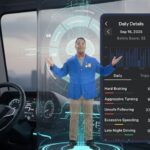
Google has spent the last few years working on an Android-based operating system for cars that doesn’t require the use of a smartphone.
Built on Android P, it’s meant to be far more advanced than the existing version of Android Auto, which simply projects a phone interface onto a car’s infotainment screen.
Google has struck deals with Volvo and Audi to start rolling out these systems in 2020.
It will tap into a car’s system-level operations, meaning you could ask Google Assistant to turn on the heat, turn off the seat warmers, or even book maintenance appointments. The system is also customizable to suit carmakers’ differing styles, giving them more control than they get with projected Android Auto (or Apple’s CarPlay, for that matter).
Read the article at The Verge.

The Missing Piece in Fleet Management: Motor Pools
By Amanda Lam, INVERS Mobility Solutions
Whether or not you are an experienced fleet manager, you have probably figured out what areas are easier to manage than others.
Many tools and resources are focused on asset management, whether that be for heavy duty vehicles or fuel usage. But what do you do when it comes to managing people’s transportation needs?
Time for Happiness
No matter what the outcome of our efforts, we all feel increasingly strapped for time, and often the things that we think will make us happy — the accomplishments we work so hard for — don’t.
They most certainly do not give us back moments with our families and friends or more hours to ourselves.
Research shows that those who feel time-poor experience lower levels of happiness and higher levels of anxiety, depression, and stress. They experience less joy. They laugh less. They exercise less and are less healthy. Their productivity at work is diminished. They are more likely to get divorced
Read the article at Harvard Business Review.
Europe’s Drivers are Ditching Diesel Cars in Favor of Gasoline
The oil market is handing European drivers something of a lucky break as they ditch diesel cars.
As the great switch gathers pace, the price premium for gasoline across Europe has tumbled to the lowest since 2008.
Read the article at Bloomberg.
Distracted Driving Study Shows Less Talking, More Fiddling Around on Hand-Held Phones
Insurance Institute for Highway Safety
Manipulating a cellphone was a contributing factor in more than 800 crash deaths on U.S. roads during 2017 amid a marked increase in the percentage of drivers observed interacting with cellphones, new IIHS research indicates.
The estimated number of deaths, however, still represents a fraction of the overall crash death toll.
Read the article at Insurance Institute for Highway Safety.