By Amanda Lam, INVERS Mobility Solutions
Whether or not you are an experienced fleet manager, you have probably figured out what areas are easier to manage than others. Many tools and resources are focused on asset management, whether that be for heavy duty vehicles or fuel usage. But what do you do when it comes to managing people’s transportation needs?
From the market research we have conducted so far, most fleets have some form of motor pool in place, though its application varies. Some motor pools share just 12-seat passenger vans or off-road vehicles for field use, while other motor pools have a large and diverse fleet available across departments.
Regardless of how a motor pool is used, what is important is that the vehicles are shared. Through sharing, fleet managers can improve vehicle utilization and right-size the fleet. But that is just the start of why motor pools are the missing piece in fleet management.
Motor Pools are Budget-Friendly
Year after year, organizations are faced with budget cuts, especially in the government sector. While implementing a new process with new technology may seem counterintuitive to saving on costs, motor pools are proven to be budget-friendly. This is because motor pools give fleets the opportunity to do more with less.
By removing low utilization vehicles and right-sizing the fleet, organizations will see reduced costs on vehicle overhead, including maintenance, insurance, and depreciation. In addition, each vehicle in the motor pool will be closer to achieving the utilization targets set for government vehicles, while still ensuring that employees have access to a vehicle when needed.
By comparing the cost savings of reduced fleet vehicles, the cost of motor pool technology provides a return on investment right from the start. San Joaquin County found that they could purchase a KeyManager unit for every vehicle auctioned off. This meant that for every vehicle removed from the fleet, even more could be made shareable. San Joaquin now operates over 150 vehicles at 7 locations and as result, has saved over $1.7 million and maintains a healthy operating budget.
Motor Pools Help Move People
Motor pools do more than just offer a shared pool of vehicles for department or company wide access. Motor pools also enable organizations to give employees an accessible and convenient option for work-related travel. By providing this mode of transportation, employees can get from A to B and back without having to worry about parking headaches, mileage reimbursements, and other time-consuming administrative tasks.
One of the key steps when implementing a motor pool is to focus on how you can get more employees to their destination, not the vehicles. In fleet management, it can be hard to remember that it is the people who need these vehicles, and that their needs should be taken into consideration. The vehicle management aspect is secondary.
Seattle City Light’s motor pool success involved focusing on people and changing how they get around. They could offer all the new vehicles they wanted, but without the proper processes and guidelines in place, it didn’t matter if the people continued to find other ways to get to their destination. By choosing a platform that allowed them to focus on the end users, Seattle City Light was able to increase their driver to vehicle ratio from 1:1 with personally assigned vehicles, to 4:1 at the initial launch of the motor pool program, to 12:1 after continued expansion of the program.
Motor Pools Move Organizations Forward
Motor pools are also great from a staff management perspective. By running a reservation platform, staff no longer need to dedicate time to manually entering and checking for vehicle availability. As a result, organizations with motor pools end up further supporting their employees by making their job easier.
This is important because organizations need to continuously improve their day-to-day operations. Motor pools are a win-win solution for anyone looking to do more with less. The key is to equip your organization with the tools and foundation to become a leading fleet.
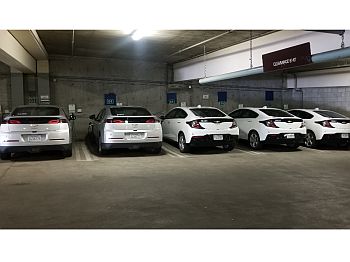
This also provides a stepping stone for further people-focused investments, because motor pools will highlight the ease of making and implementing change, with big results. At the County of Ventura, operating a motor pool allowed them to integrate hybrid and electric vehicles in their fleet, and further progress in their goal of meeting the state of California’s Zero Emission Vehicle Program goal. With over a dozen motor pool locations and 1,500 users, the County of Ventura is leading by example on how to operate a sustainable fleet.
Interested in learning more about motor pools? Visit https://fleetsharing.invers.com for more information.