Insurance Penalties Can Exceed The Fines On Driving Violation Tickets
Getting a speeding ticket can cost much more in insurance penalties, or surcharges in insurance lingo, for three years after the violation.
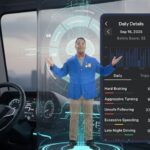
The average surcharge for using a cellphone or texting while driving has been rising and is now nearly $300.
The insurance industry attributes the rising costs to multiple factors, including more accidents from distracted drivers who are talking or texting on mobile phones. Nine percent of fatal crashes in 2017 were “distraction-affected” crashes, according tothe National Highway Traffic Safety Administration.
Read the article at The New York Times.

Intense Lobbying Battle – Car Makers vs. Oil and Gas Industry
Automakers are seeking the extension of a tax break that has for a decade helped sustain the sale of cars that need little to no gasoline to run.
This has triggered an intense lobbying battle with oil and natural gas companies.
The legislation has the backing of the powerful Alliance of Automobile Manufacturers and the support of several major environmental and public health groups.
Read the article at The Washington Post.
Competition For Telsa- More Luxury Electric Vehicles Are On The Way
It's no exaggeration to say the luxury electric vehicle was invented by Tesla.
The California-based carmaker has indisputably paved the way for these new rivals selling for $70,000 and up.
The electric Porsche, now renamed the Taycan, is coming out later this year, as is the first long-range electric Mercedes. Two new luxury electrics are already on the market: the Jaguar I-Pace and the Audi e-tron. Polestar will be releasing its first premium all-electric model next year, initially selling for $63,000.
Read the article at NPR.
Speed-Limiting Technology Already Exists On New Cars
Modern cars are basically rolling computers that are constantly monitoring and storing all sorts of data, including all the technology needed for governments to electronically enforce speed limits.
While it might seem far-fetched that a city, state, or entire country would call for the implementation of electronic speed-limiting technology,
Europe will soon mandate one that would alert drivers who willfully exceed speed limits.
Read the article at MSN.
How to Reclaim Your Time to Focus on Work That Really Matters
The productive state where every move you make is purposeful, is known as "deep work."
Manage your attention well and you’ll have a competitive edge in this distracted world. Focus on the most important thing and schedule it on your calendar.
This means you’re setting priorities and thinking deeply about problems. Concentrating for an extended period of time can certainly be difficult—but most things worth doing are difficult.
Read the article at Fast Company.