Live Webinar: Disrupting Fleet Tracking with IoT Connectivity
Can you disrupt the fleet market with IoT connectivity?
In this webinar, Ash Phayer, Telemax General Manager, will discuss how his company leveraged IoT connectivity to become one of the only companies to offer a complete end-to-end fleet solution in the Australia and New Zealand region.
He will also share the biggest connectivity challenges Telemax faced and how they overcame them. The webinar will conclude with a demo of Twilio’s IoT platform and an open Q&A session.

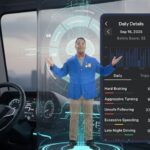
WARNING: Your Fleet Could be Full of ‘Unconscious Incompetents’
By: Art Liggio, CEO and president of Driving Dynamics
Believe it or not, most motorists on the road today are Unconscious Incompetents. What does that mean?
In our case, it refers to individuals who are unintentionally putting themselves at risk because they are unaware of the consequences of their actions—common examples include speeding through a yellow light, rolling through stop signs, or weaving in and out of traffic.
If an individual never faces any repercussions as a result of these actions, these habits eventually ingrain themselves into his or her everyday driving style.
Preparing for Natural Disasters in Uncertain Times
NAFA Fleet Management Association
When fleet operatives prepare for a natural emergency, they require an action plan to remain operational and safe during extreme circumstances.
Worst-case scenarios are quickly becoming commonplace––from earthquakes, fires, floods, and tornadoes, to viruses such as COVID-19 that panic consumers and disrupt the national supply chain.
The bottom line? Modern fleet professionals operate under extreme and unpredictable conditions, and they require actionable disaster plans to mitigate the impact of each of the most devastating natural events.
Detroit Automakers Shut Down Plants But Workers May Return To Build Ventilators
Although Detroit automakers shut down their North American plants last week amid growing fears over coronavirus, workers could soon be back building ventilators.
It’s unclear how retooling the factories or sending workers back into them during a pandemic might work. Any return to work will have to come with better safety protections for workers during the pandemic.
“Instead of working for profit, you’re working to help save some lives, and I think a lot of people would join in on that,” D'Andre Jackson, a United Auto Workers (UAW) representative said. “It’s what they did during wartime, and that’s what they say we’re in now. I think that if it was on a voluntary basis they could get people to go back in.”
Read the article at The Guardian.
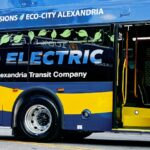
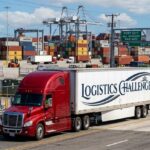
Truck Electrification is Underway
A number of manufacturers are racing to roll out electric trucks as early as next year, as pilot projects are already taking place, fleets are eager to buy and orders are pouring in. Medium-duty and box trucks are leading the way, followed by semis used for regional hauling and then long-haul big rigs.
“’We want them quicker than the manufacturers can produce them,’ said NFI’s president, Ike Brown. NFI, a freight hauler based in New Jersey.
“Mr. Brown’s company makes regional deliveries using a fleet of 4,500 mostly diesel trucks. With a defined daily route of about 250 miles, and trucks that return to the same place every night to recharge, electric trucks ‘just make sense,’ Mr. Brown said.
“On average, it costs about $1.38 per mile to operate a diesel truck, according to the trucking information website TruckInfo.net; $70,000 of the $180,000 annual operating cost is fuel, and $15,000 goes toward maintenance. Tesla, by comparison, estimates its electric Semi will cost $1.26 per mile.”
Read the article at The New York Times