Orlando’s Fleet: On the Cutting Edge of Sustainability
By Mark Boada, Executive Editor
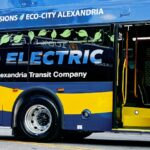
If the city of Orlando, Florida, meets its goal of relying on nothing but renewable energy by 2050, David Dunn will have had a lot to do with it.
Since 2006, Dunn has worked for the city, first in its facilities management department and since 2011 with the added responsibility for fleet operations as manager of Orlando’s fleet and facilities management division. As such, he’s been in a unique position to leverage the assets of the division to make dramatic reductions in the city’s carbon footprint and saving the city millions of dollars in what it spends on electricity and fuel.
Its mandate is for every one of the city’s fleet of some 2,600 on road cars, trucks and buses, and 1,400 other vehicles to be powered by alternative fuels by 2030. It may seem like a tall order, but the fleet is nearly there, and Dunn speaks with the assurance of someone who’s been the executive in charge of a fleet that’s won a place in the 100 Best Fleets in North America every year since 2012.

Ford, INRIX Offering Additional Services on Sync 4
Ford Motor Co. and INRIX Inc. are rolling out plans for new services compatible with the automaker’s new Sync 4 system, which help drivers find both fuel and the least expensive parking spots.
Starting with the all-electric Mustang Mach-E, Bronco two- and four-door models and all-new F-150, new Sync 4 will offer the latest available traffic, incident, parking, charging and fuel information.
“Customers want connected vehicle technologies to work more like smartphones with real-time, personalized services – and that is exactly what Sync 4 offers, including INRIX’s parking and fuel price innovations,” said Gary Jablonski, manager, Ford Connected Vehicle Infotainment Systems.
Read the article at The Detroit Bureau.
Coaching Drivers Towards Low-Risk Behaviors
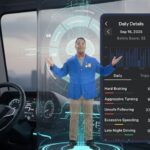
eDriving’s research confirms what other cognitive studies have shown – namely, that traditional training, whether virtual or in-person, can only do so much to change high-risk behavior behind the wheel.
Does this mean coaching is ineffective? Not at all. In fact, personal coaching conducted at the front lines is the key to reinforcing the culture-based driver safety message. Read the article by Jim Noble, Senior Vice President of Risk Engineering at eDriving.
Marketing to Fleet Managers
In his column today, Ed Pierce looks at the possibilities of an Inbound Marketing Program - including your website, content development and marketing, social-media efforts, and email-marketing campaigns. Start by focusing on specific digital tactics that address the needs of fleet service providers (who generally face long sales cycle times as prospects assess numerous stakeholder needs).
Speaking of Marketing to Fleet Managers, Fleet Management Weekly offers a variety of Content and Advertising options that are affordable and effective. Reach out to me at [email protected] for more info.
Ted Roberts
President
Preparing for the Post-COVID-19 Fleet: How to Turn Your Downtime to Uptime
Since the global COVID-19 pandemic emerged, fleet-based businesses have faced a number of logistical, operational and monetary challenges. If your business is presently slow, that won’t always be the case.
Before things get busy again, owners and managers may want to consider making the most of this downtime to help build a strong foundation for the future. Now is the ideal time for fleet owners to constructively take stock of existing processes and establish new procedures to help strengthen their business to emerge stronger in the post-COVID-19 world:
- Get laser-focused on cost control through engine diagnostics, service records tracking, monitoring fuel usage and wear and tear.
- Make the most of analytics and reporting these days to monitor critical business aspects. Capitalize on the available time to do trend analysis, API integration or review critical reports.
- Improve customer experience by closely monitoring customer feedback with the help of technology. Use this time to reach out and act upon specific concerns.
In this free ebrief, you will find out ways to help transform today’s current downtime into your future uptime. Click to Download.
Drive Growth and Innovation at AFLA NextGen 2020 Virtual Corporate Fleet Conference
Unleash Innovation. Revolutionize how you think and work. Embrace change and challenge the status quo to drive real transformation.
AFLA NextGen 2020 Virtual Corporate Fleet Conference. October 5-7, 2020!
The fate of Kodak and Blockbuster are evidence that no matter how popular or beloved your brand, its survival depends on your ability to innovate. From CEO and TED-talk veteran Lisa Bodell, you’ll learn how to survive by strategically challenging the status quo and building change from the middle out. Objectively analyze your entire business to identify external threats as well as internal weaknesses—and solve for them. By killing your own company, you'll teach teams how to better pivot, deal with wildcards, and proactively embrace change.