The U.S. Could Save $17 Billion A Year If 25 Percent Of Fleet Was Electric
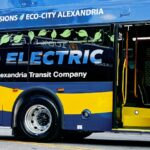
A study from Northwestern University revealed that if 25 percent of the American fleet - 68.4 million cars - were composed of electric vehicles, the country would save $17 billion per year.
According to the study, these savings would not relate to the lower running costs of EVs. Instead, they could be achieved with what they can do to help society. With more electric cars in cities, the air around them would be cleaner, and their populations would not get sick due to pollution as often as they do today.
A more challenging benefit to measure, would be avoiding climate change damages. Mostly because cars do not account for that much carbon emission, we would need clean airplanes, trucks, trains, and ships more than electric cars. They also demand less natural resources and the savings could be even higher.
Read the article at InsideEVs.

Ford Starts Trials Of New Tool To Predict Accident Hotspots
A new digital road safety tool that could predict potential incident hotspots is to go under trial from this summer by a Ford-led consortium – and vehicle owners are being invited to take part.
The carmaker’s collaborative work with experts and academics has now received financial backing from Innovate UK and is exploring how information from connected vehicles could be linked up with data from roadside sensors and local authorities to predict the likely locations and possible root causes of potential road safety hotspots.
The project will analyze detailed telematics data from the fleet of vehicles alongside information from up to 25 additional smart sensors to be provided in Oxfordshire by Vivacity Labs. The work will help develop the digital road safety algorithm and tool for use as a scalable, commercial product that could bring road safety benefits globally. The consortium will also seek to uncover further real-world applications for predictive road safety-related insights.
Read the article at International Fleet World
How to Help Build a COVID-19-Ready Fleet with Fleet Tracking Technology
Each business is facing its own set of challenges during the COVID-19 pandemic.
Businesses are finding it tough to maintain a steady revenue as they cut down on certain activities to avoid the transmission of the coronavirus. An efficient fleet management solution helps drivers work safely and can help build a foundation for a strong financial future.
From monitoring fuel costs and vehicle movement to tracking COVID-19-affected areas, GPS tracking technology and its features can be a helpful tool for drivers, managers and company owners. Now is the time to use the features of a fleet management software to improve Geofencing, create Customizable Forms, Keep Track of Drivers and Vehicles and minimize Liability Concerns - and to help build a resilient fleet.
In this free ebrief you will learn many more practical ways to manage your fleet as you take care of the health of your staff and customers. Download now.
Great Networking Opportunities at AFLA’s NextGen Virtual Corporate Fleet Conference
The conference committee has been hard at work ensuring that AFLA’s NextGen Virtual Corporate Fleet Conference will be a success - including some new and comfortable ways to make the most of virtual networking.
Continually Improving Processes for Your Fleet Department
Reducing costs. Managing replacement cycles better. Making things easier for technicians, and for staff. It’s important to be continually looking at ways to improve your fleet department.