EV Home Charging Study Finds Owner Satisfaction Down
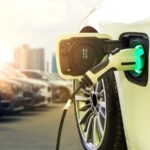
When J.D. Power quantified EV owner satisfaction with the public charging experience at Level 2 and DC fast chargers, it found owners unhappy about "finding the charging infrastructure inadequate and plagued with non-functioning stations."
More homes have been fitted with Level 2 permanently mounted charging stations and more BEV and PHEV buyers own Level 2 portable stations. Despite the increased convenience, the study found owners less satisfied overall with the charging experience, the overall happiness with permanent home stations dropping from a score of 752 to 740 out of 1,000. Respondents cited cost as part of the problem, public utility kWh rates climbing with the prices of everything else. Another problem comes from charging speeds that apparently haven't fulfilled expectations.

Why Sustainability is Becoming an Essential Practice in Fleet Management
By Geotab
Regarding fleet management, industry standards have moved towards greater sustainability and efficiency over the last several years with the introduction of electric vehicle fleets, telematics for route optimization and efficiency, and alternative fuel options.
Practicing sustainability in fleet management is essential for becoming a leader in the industry and landing more clients searching for sustainable practices in their supply chain leaders.
This article will take a closer look at some of the sustainable practices becoming standard within the industry and the challenges facing transportation leaders in an increasingly green marketplace.
ICE-ing EVs Can Net Up to a $3,200 Fine
There really isn't much of an excuse for parking an ICE car in an EV charging spot anymore. Which is why, according to ABC News, in certain parts of Australia, you can actually be fined for doing so, up to $3,200.
Four of Australia's states and territories—Australia Capital Territory (ACT), Victoria, New South Wales (NSW), and Queensland—have introduced fines for parking an ICE car in an EV charging spot. The fines range from the lowest in Victoria ($369), to the highest in ACT ($3,200) for what is now called "ICE-ing."
Casual Conversations with Kingbee
Chris Thomas, VP of sales, is a busy bee, but we managed to get some answers from him.
Stay tuned ‘til the end for a special surprise, and visit their website for a free quote.
Rear Passenger Protection Falls Short in Most Midsize SUVs
Most midsize SUVs offer inadequate front crash protection for passengers seated in the rear, the latest crash test ratings from the Insurance Institute for Highway Safety show.
IIHS recently updated its longstanding moderate overlap front crash test to add a rear passenger dummy positioned behind the driver.
“All these vehicles provide excellent protection for the driver,” said IIHS President David Harkey, “but only a handful extend that level of safety to the back seat.” Of 13 midsize SUVs tested, only four — the Ford Explorer, Ford Mustang Mach-E, Subaru Ascent and Tesla Model Y — earn good ratings.