Germany’s Angela Merkel Concedes Diesel Is Probably Screwed
Last week Germany’s titans of industry held a huge summit to try and convince European cities and the rest of the world that despite negative press from Volkswagen’s global cheating scandal, diesel passenger cars do have a future and should not face bans.
But even Germany’s leader concedes she’s not optimistic about diesel cars moving forward.
German Chancellor Angela Merkel admitted that even Germany should follow Britain and France’s lead on banning new diesel cars from the road, reports Reuters. This is the first time Merkel has said that diesel cars may be banned in the country much after German company Volkswagen set off the Dieselgate scandal over emissions.

Turns Out Millennials Can’t Exist Without Their Cars
For so long it was thought that millennials were content to lives without cars, and now it appears they cannot live without them.
A new study shows that half of millennials would rather give up social media for a week than go without their cars. Additionally, 41% would give up an hour of sleep each day and 39% would skip a meal before giving up their vehicles.
Enterprise, the rental car company, polled millennials to determine how strongly they felt about the possibility of going without a car for an extended period of time, such as if it were in for repair. What the company discovered is that millennials are just like most folks: they feel they need their vehicles.
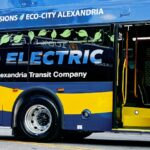
Parked Electric Cars Earn $1,530 From Europe’s Power Grids
Electric car owners are earning as much as $1,530 a year just by parking their vehicle and feeding excess power back into the grid.
Trials in Denmark carried out by Nissan Motor Co. and Italy’s biggest utility Enel SpA showed how batteries inside electric cars could help balance supply and demand at times and provide a new revenue stream for those who own the vehicles.
Technology linking vehicles to the grid marks another challenge for utilities already struggling to integrate wind and solar power into their distribution system. As the use of plug-in cars spreads, grid managers will have to pay closer attention to when motorists draw from the system and when they can smooth variable flows.
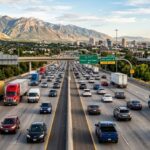
Self-Driving Cars Flock to Arizona, Land of Good Weather and No Rules
Arizona is welcoming a new wave of settlers.
No, not snowbirds escaping harsh northern winters. Techies, mostly from California—Silicon Valley, to be precise—coming to the desert to fulfill their quest to flood the roads with self-driving cars.
Mobileye is the latest arrival. The firm announced Wednesday that it will build a fleet of 100 autonomous vehicles and test the first of them on the public roads of the Copper State.
Alternative Fuels: Most Bets Are Still On, at Least Somewhere
Global fleets will continue to be faced with a dizzying array of fuel choices for some time to come.
By Mark Boada, Senior Editor
Now that four countries -- Norway, India, France and the U.K. – have decided to ban the sales of gasoline or diesel fueled vehicles within the next two to three decades, it might seem that electricity has already won the contest to become the vehicular fuel of the future. But even if it comes to predominate, electricity may not be the universal solution for years to come, if ever.
Instead, global fleets may be forced to depend on an ever-changing variety and mix of fuels and powertrains, depending on the countries or regions in which they operate, their mix of light, medium and heavy duty vehicles, and the nature of the trips their drivers make. The reason: each of the alternatives is still struggling to overcome limitations, which include cost, range, refueling time, refueling infrastructure, and fuel availability.