Electric Vehicles Bring Opportunities to Utilities
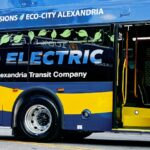
As carmakers are vowing to change their vehicle fleets to electric or hybrid-electric, utilities such as Italian power giant Enel are taking notice.
Enel acquired Electric Motor Werks, a small, fast-growing California developer of charging stations and power management software.
“Electric vehicles have the potential to be one of the most disruptive technologies the modern electricity grid has faced in the last one hundred years,” said Francesco Venturini, head of Enel’s Global e-Solutions division, in a statement. “The electric mobility revolution is leading utilities, grid operators, and consumers to rethink traditional business models, invest in new infrastructure, and roll out new solutions to provide flexibility and resiliency to the grid.”
Read more of the original article at TechCrunch.

Waymo Tests the Snow and Ice in Michigan
Waymo, also known as the Google self-driving car project, will start testing its self-driving cars in Michigan.
"For human drivers, the mix of winter conditions can affect how well you can see, and the way your vehicle handles the road. The same is true for self-driving cars," President and CEO John Krafcik said. "This type of testing will give us the opportunity to assess the way our sensors perform in wet, cold conditions."
Testing of Waymo's fleet in Michigan means it will be close to the self-driving technology development center as well as some of the Michigan autoworkers working on self-driving cars.
Read more of the original article at CNBC.
LINE-X Launches Fleet Upfitting Solution Available Throughout North American Network
LINE-X, a global leader in powerful protective coatings and renowned spray-on bedliners, has launched a new service offering complete light- and medium-duty work truck up-fitting with a quick turnaround, discounts of up to 15% and centralized control over jobs being completed at multiple shops all across North America.
“We believe in this new service, LINE-X solutions for fleet services, will revolutionize the custom up-fitting business for Class 1-6 vehicles,” said Henry Chedraoui, LINE-X director of national accounts. “The beauty of what we have to offer is that we can serve and help three different markets: fleets, fleet management companies and national upfitting companies.”
CEI’s Critical Issues in Fleet Safety Seminar Creates a Buzz!
The CEI Group, Inc. hosted four driver-safety related experts in Princeton, NJ at the Nassau Inn recently.
Attendees represented fleets in industries such as pharmaceutical, food manufacturing, telecom, delivery, and other service companies in the U.S., as well as some multinational fleets.
Duncan Espiga, CEPA SafeDrive’s North American regional manager, started the day off with his presentation on Industry Best Practices for Global Safety Data Management that he has developed in his role with CEPA and his involvement with The Global SafeDrive Alliance, of which CEI and CEPA are the lead partners.
John Cruickshank, Esq. with the law firm Alaniz, Schraeder, Linker, Farris & Mayes, LLP, a foremost authority in negligent entrustment and vicarious liability gave his presentation entitled Vulnerabilities that Expose Fleets to Lawsuits. John recounted a host of cases about large punitive damage awards due to liability oversight and addressed how fleets can avoid those costly situations.
Self-Driving Car Developers Challenged by Extreme Weather Conditions
Challenging weather conditions make it tough for human drivers, and even more so for those working on the autonomous robotic cars and trucks.
Each of the sensor, camera or mapping programs supplement the others, but in severe weather, one of those systems could be negatively impacted — a camera could be caked in ice, for example.
Jim McBride, Ford’s technical leader for autonomous vehicles said "the redundancies are key: If the car can detect ice-slicked roads through its sensor suite, or through vehicle-to-vehicle or vehicle-to-infrastructure communication, it can activate the proper electronic systems that are already on vehicles to react."
Read more of the original article at The Detroit News.