Where Did All The Fueling Stations Go?
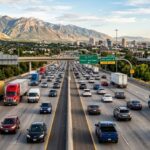
The price of real estate, the decreased income that service stations receive from mechanical repairs and fueling at big box stores, have contributed to the steady decline of fueling stations in the last two decades.
In the future, autonomous vehicles will make all the decisions about where and when to stop for refueling, so no one knows for sure what a gas station will look like when the computer is running the cars.
"In other words, the new model took the money out of petrol. Big box stores weren’t selling fuel cheap because they wanted to profit on it — they were selling it cheap because they were going to make a profit on all the other stuff consumers purchased after they bought their petrol."
Read the article at BBC.
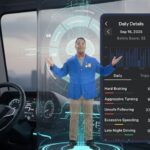
Design and Driving Will Become Better With Autonomous Vehicles
Self-driving cars do not mean the end of driving, or the end of automotive design, but just the opposite - your focus doesn’t have to be on the speedometer, the fuel gauge and the windshield.
Driving is drudgery a lot of the time, but people don’t want to relinquish the possibility of taking the wheel, Autotrader senior analyst Michelle Krebs says. “People want driverless performance when they’re commuting and maybe on long road trips, but they want the option to drive themselves.”
Read the article at Detroit Free Press.
Follow the Rules to Lead Cynics
According to a December Gallup poll, 28 percent of adults rate business executives' honesty and ethical standards as low or very low, 54 percent rate them as average, and just 16 percent rate them as high or very high.
As a business leader if you’re not good at leading cynical people, chances are you’re not good at leading a lot of the people you’re supposed to be leading.
Cynics make great employees as long as three rules are followed: 1. Be honest, 2. Play fair, 3. Do what you say you are going to do!
Read the article at strategy+business.
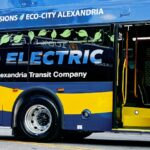
Will Electric Vehicles Impact the Power Grid?
Utilities will need to transmit more power as more people replace their internal combustion engine powered cars with electric cars.
Nationwide, utilities are adopting smart grid technologies—sensors and other feedback mechanisms that allow for real time models of demand.
“If every customer starts buying electric vehicles, obviously that would cause a big impact on utilities,” says Mohammed Beshir, a professor of electrical engineering at USC’s Viterbi School of Engineering.
Read the article at Wired.
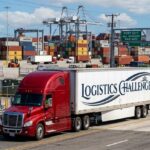
Private Charging Stations to be Built by Early Tesla Semi Buyers
Tesla's Semi freight truck deliveries will being in late 2019, and will have different charging needs from Tesla's cars with the possibility of a private network of "Megachargers" available to smaller customers.
Anheuser-Busch, PepsiCo, and United Parcel Service will build private charging stations on their own sites, in partnerships with Tesla whose terms are still being negotiated.
Read the article at Fortune.