Edge Computing: The Next Step in the Evolution of Digital Computing
By John F. Wysseier, President and CEO, The CEI Group, Inc.
Pardon the pun, but companies in many different industries that want to get an edge on their competitors -- or avoid being left behind by them -- need to embrace the next step in the evolution of digital technology: edge computing. So, what is edge computing?
To put it simply, edge computing refers to digital data processing that is done in the same place or very near to where the data is collected. It gets its name from the fact that an “edge” computer is located at a great distance from a central computer (or the cloud) and handles data only for one or a limited number of devices or systems generating that data. This is in contrast to a centralized computer that collects and processes data from many sources, all of which are connected to the system by two-way wireless connections in a hub-and-spoke array.
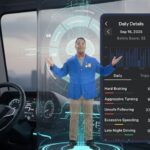
To understand this difference, think of a typical telematics system. Sensors on a vehicle transmit data to a central computer, where it’s processed for information that is transmitted back to the vehicle. In this arrangement, the vehicle is somewhat like our earlier “dumb” desk top terminals from the ‘60s and ‘70s, which had no computing power of their own but enabled users to tap into one central, shared computer.

TÜV SÜD and VW Financial Services Become Joint Owners of Fleet Logistics
Fleet Logistics has a new majority shareholder following the announcement that Volkswagen Financial Services has acquired a 60% share in the Oberhaching, Germany-based business.
The new deal, for an undisclosed amount and subject to regulatory approval, will create a brand-neutral international platform combining travel and fleet management. In the day-to-day business, customers will see no changes and it will be very much business as usual.
The highly successful business model of multi-bidding will continue to be a central pillar of Fleet Logistics’ business strategy, and the company will continue to make the best possible vehicle offerings in terms of price, security and sustainability available to customers. This will be backed by future access to a new portfolio of intermodal mobility solutions.
Report: Number of Automotive Cyber Attacks Worldwide Grew Significantly in 2018
By Andrew Boada, Editor at Large
The number of reported incidents on cyber attacks on the global automotive transportation system grew by some 50 percent last year, according to a report issued last month by Upstream Security, provider of automotive cloud cybersecurity solutions based in Tel Aviv, Israel.
Upstream noted while there were just 60 reported cyber attacks last year, many go unreported. It also said and that a single attack can affect thousands of vehicles, companies and consumers and cost more than $1billion. The report predicts that the number will continue to grow very rapidly over the next three years, as criminal hackers become more familiar with connected systems and the means by which to hack become easier and cheaper to obtain.
The report said the most dangerous attacks are those that take over vehicles’ control systems. “While some introduce low physical risk, such as the unlock system, mainly responsible for theft or damage to the vehicle, others can have a real and devastating impact on human lives,” the company warned. Think about such features as the brakes, airbags or acceleration of the vehicle. An attack timed to cause the most damage, for example, while the car is in motion, could be catastrophic, and in certain cases has even been shown to be fatal.”
‘Global Fleet Champions’ Launched to Prevent Crashes and Pollution
Fleet operators around the world are being asked to join a new global campaign to help tackle the rising epidemic of road deaths, injuries and poisonous air from vehicles.
Launched this week by Brake, the road safety charity, Global Fleet Champions is a not-for-profit and partnership campaign that everyone can join to prevent crashes and pollution caused by vehicles used for work purposes.
Global Fleet Champions is free to join and calls on all organizations that use vehicles for work purposes to prioritize safety and sustainability, through good leadership and by adopting robust policies and procedures to manage driver behavior, vehicle standards and journey routing. The campaign also calls on governments to regulate and enforce the safe, sustainable operation of vehicles that move goods and people, through licensing and traffic rules, road policing and tougher penalties.
Futurist Chris Riddell Brings Revealing Keynote Presentation to NAFA’s I&E in April
NAFA Fleet Management Association announces the inclusion of keynote presenter Chris Riddell for its annual conference, the redesigned and enhanced Institute & Expo (I&E), which takes place April 15-17, in Louisville, Ky.
An award-winning global futurist and keynote speaker on the future of humanity and digital, Riddell is also a renowned media commentator and global emerging trend spotter for businesses and leaders in today’s highly disrupted world.
A global trailblazer, Chris Riddell has worked for some of the largest and most successful companies and brands in our modern world. Having lived and worked in countries including the U.K., Saudi Arabia, Dubai, Kuwait, China, New Zealand, and Australia, his understanding of our new world is compelling and thought provoking to say the least.