A Continuous Fleet Monitoring Solution for All 50 States and Canada
By Shannon McNamara
A continuous fleet monitoring solution can have various meanings across different providers, and across the nation. In general, fleet monitoring carries the definition of continuous driver license monitoring for commercial fleets.
However, the truth is the capabilities of fleet driver monitoring from provider to provider can vary, and if you are not paying attention, these differences can put your organization at risk.
Consider the following when determining a fleet monitoring solution, especially when your fleet drivers are operating across the United States and Canada.
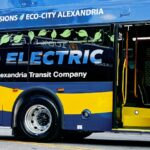
GAO: Electric Cars Not Cost Effective For Federal Fleets
According to a recent Government Accountability Office (GAO) report, US government agencies are finding expensive all-electric cars not worth buying because of the cost and infrastructure challenges involved.
The report found that agencies were not required to track where the electricity used to power plug-in vehicles was generated or the environmental impact of disposing of old batteries.
"The costs of these vehicles and charging infrastructure make it challenging for agencies to acquire them on a large scale," the report explained. "Second, a lack of fuel and infrastructure availability limits agencies use of alternative fuel, specifically E85."
Read the article at TheNewspaper.com.
Fleet Safety and Collision Avoidance: Driven to Care
DriverCare from CEI saves customers a whole lot of money when it comes to collision avoidance.
‘We’re Heading Towards Hell’: Expert Shares Concerns With Self-Driving Cars
The race to create the self-driving car continues at a feverish pace, with major players pumping billions into the effort.
But Kevin Delaney, editor-in-chief and co-CEO of Quartz, said that when it comes to autonomous vehicles, "we're heading towards hell."
"These cars are not safe yet," Delaney said. "There are five levels of autonomous vehicle safety, according to the U.S. government's certification, and right now, at best, we're at level two. What this means is that people need to be keeping their hands on the wheel, they need to be keeping alert to avoid accidents."
That's not the only potential problem. "What researchers have found is that when people have access to cars driving that require less effort and money, they actually drive a lot more," Delaney said. "So the traffic that we experience today is likely to get a lot worse."
Read the article at CBS News.
Survey Finds New Auto Technology Can Annoy Drivers
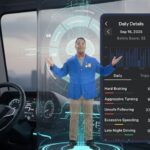
Alerts from new driver assist systems can be so annoying that some motorists are turning the features off, according to a new survey.
The 2019 J.D. Power Tech Experience Index study also found that frustrated drivers may avoid the systems in future vehicle purchases.
“Automakers are spending lots of money on advanced technology development, but the constant alerts can confuse and frustrate drivers,” said Kristin Kolodge, J.D. Power’s executive director of driver interaction and human-machine interface. “The technology can’t come across as a nagging parent. No one wants to be constantly told they aren’t driving correctly.”
Read the article at The Washington Post.