Ford Tests Buzzing Wristbands to Keep Six-Foot Distance Between Factory Workers
A number of Ford workers are reportedly experimenting with a "wearable social-distancing device" in the form of a small wristband that monitors how close workers are to one another and will vibrate if they come within six feet to remind them of proper social distancing procedure.
Workers are being thermally scanned to detect a fever when entering a facility. They are provided with masks and, in some circumstances, face shields. They will reportedly also be required to complete a daily online survey on their health and record who they come in contact with.
Read the article at MSN.

The Cameras in Your Car May Be Harvesting Data as You Drive
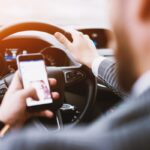
The same cameras and sensors used for advanced driver assistance systems (ADAS) might also be sending information over a cellular connection you might not know your car had to a company you’ve probably never heard of.
How that data is used will depend on who gets their hands on it, and could lead to massive profits. Analysts say that data collected from cars could turn into a $750 billion industry over the next decade.
Privacy and data collection experts believe that insurers could use harvested data to raise rates for drivers, landlords could choose to raise rents in neighborhoods with lots of luxury cars, credit reporting firms could make inferences about people who live on streets with less lighting or more potholes, and law enforcement agencies could target pedestrians, homeless encampments, or public gatherings.
Read the article at Consumer Reports.
COVID-19 Is A Wake-Up Call For Automakers To Get Into The Mobility Service Business
COVID-19 will likely have as big an impact on our society and behavior as 9/11. We will change the way we travel, interact, recreate, and think about making discretionary purchases.
Automakers should not rely on one-time vanity purchases, they should continuously offer mobility services to consumers. The future is in mobility services: grocery and parcel delivery, germ-free rides, and any other errand or service that would avoid having to take trips.
COVID-19 exposed a major weakness in how we obtain basic products and services. Had autonomous mobility services been available, supply chains for critical equipment may not have been as constrained, basic sanitation and safety products may not have become scarce, and less healthcare workers would have been at risk moving patients to hospitals.
Read the article at Forbes.
How To Clean Your Car’s Interior Like A Pro
A clean car is a happy car. Your car deserves to be happy.
For some it’s therapeutic and for others it’s a necessary evil. Whichever end of the spectrum you fall on, cleaning the inside of your car is necessary maintenance that isn’t difficult to do. The hardest part is deciding to do it.
Keeping the interior of your car clean not only helps maintain resale value, it makes it safer, last longer, smell better, and above all else, it creates a more pleasant driving—and idling—experience. It only takes a couple hours once you have the right products and processes.
Read the article at The Car Connection.
Former VW CEO: Widespread Car-Sharing and Fully Self-Driving Cars Unlikely to Begin until the 2030s
The “mobility revolution” away from traditional car ownership and toward fully autonomous vehicles will proceed slowly until at least the 2030s.
So says Hinrich J. Woebcken, the former CEO and President of Volkswagen and 30-year veteran of the automotive industry.
“The new mobility landscape is still in its infancy. All of today’s mobility on-demand models, including taxi, ridehailing and sharing combined, only count for less than one percent of the total mobility miles,” according to Woebcken.