Self-Driving Vehicles Could Struggle To Eliminate Most Crashes
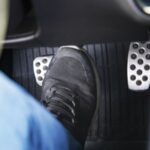
According to a new study from the Insurance Institute for Highway Safety, autonomous vehicles might prevent only around a third of all crashes if automated systems drive too much like people.
To estimate how many crashes might continue to occur if self-driving cars are designed to make the same decisions about risk that humans do, IIHS researchers examined more than 5,000 police-reported crashes from the National Motor Vehicle Crash Causation Survey.
Crashes due to only sensing and perceiving errors accounted for 24 percent of the total, and incapacitation accounted for 10 percent. The remaining two-thirds might still occur unless autonomous vehicles are also specifically programmed to avoid other types of predicting, decision-making and performance errors.
Read the article at IIHS.

The Environmental Opportunity Created By COVID-19
The shutdowns resulting from COVID-19 are not just temporary and as the economy is relaunched, it is vital that companies seek to build back better and, in doing so, help society overcome the existential threats of climate change and nature loss.
These include remote teleworking and socializing, near-shoring, and a new mantra of “make where you sell,” which places a new value on localized supply chains and includes a rise in 3D printing and automated manufacturing.
COVID-19 has added a new meaning to the term track and trace, a concept that could be applied to what we produce and consume, which might provide a better road map for conservation and sustainable supply chains. The technology exists; it could be used to increase transparency and efficiency, but we will need to be on the front foot to manage social consequences.
Read the article at strategy+business.
The Automotive Market Is About To Be Disrupted: Where Will It Leave You?
The automotive market is about to be seriously disrupted whether you’re in the market for a car or you sell or repair them.
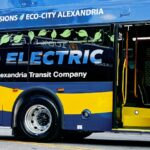
The clean air we have been enjoying during lockdown seems to have aroused consumer interest in electric vehicles, which are no longer available only to the rich. GM is launching a new electric delivery van and plans to introduce at least 20 all-electric models in all categories by 2023. Amazon is working to add 100,000 Rivian all-electric vans to its delivery fleet.
One thing is already clear: with much longer lifetimes and significantly cheaper maintenance costs, electric vehicles are changing the economic parameters of driving.
Read the article at Forbes.
LeasePlan & YourMechanic Launch Mobile Car Repair Services
Alpharetta, Ga. (June 3, 2020) – LeasePlan USA, a global leader in fleet management and driver mobility services, today launched a partnership with leading automotive mobile maintenance and repair services provider, YourMechanic.
In alliance with YourMechanic’s network of over 700 certified technicians across over 2,500 cities nationwide, LeasePlan now provides contact-free vehicle maintenance services for cars and light-duty vehicles.
In adding a mobile option to their maintenance and repair management offering, LeasePlan provides customers the opportunity to schedule contact-free service on-site at the driver’s home or office location. Using LeasePlan’s new solution, powered by YourMechanic, customers can tap into more than 600 automotive repair services for a safe and convenient experience.
Save the Date for NETS Virtual Strength in Numbers Fleet Safety Benchmark Conference
The health and wellness of conference attendees is of utmost priority. Therefore, given the current pandemic situation, NETS annual conference this year will be a virtual event during the week of October 12th.
Stay tuned for more information coming soon regarding exact dates, conference registration, speaker line-up, virtual Sponsor exhibits, and more!