Fleet Liability Blog Series — Part 2: Self Reporting Policy
By Adam Danielson, Sales and Business Development Director
Failing to continuously monitor a driver’s motor vehicle record (MVR) is risky and could end up costing a company millions of dollars.
For the company unknowingly employing a suspended driver, ignorance of a violation may prove to be very costly.
The below case study provides a good example of a company learning this lesson the hard way. This fleet’s driving policy required employees to self-report suspensions of their driver’s licenses. When its unlicensed driver caused an accident with serious injuries, the jury punished both the driver and his employer − even though the company argued that the driver did not self-report that his license was suspended.
In January 2012, a 54-year-old woman was driving a sedan in Odessa, Texas. She was involved in a collision with a pickup truck owned by an oil field equipment supplier. The company truck was driven by an employee whose driver’s license was suspended at the time of the accident and had been suspended for five months prior to the collision.

Omnitracs Fleet Industry Intelligence Report
Understanding the Present to Predict the Future
The second edition of our Industry Intelligence Report focuses on 2021 long-haul, last-mile, seaport, and safety transportation activity. The eye-opening and vital transportation insights spotlighted in this report can significantly help strategize operations and optimize business goals for continuing success.
This issue will provide data insights into:
- How the pandemic has affected the trucking industry – long-haul and last-mile trending
- A look into the impact of the March Suez Canal crisis on the industry
- Leading safety trends and a ranking of urban cities and risks for collisions
10 Car Features People Want Most (And 7 They Want Least)
New cars are offered with ever-increasing numbers of safety, convenience and performance features, but what do buyers really want?
AutoPacific has some answers from the company's annual Future Attribute Demand Study, which surveyed nearly 90,000 recent car buyers, with over 50,000 of them planning on buying another new car in the future.
The company asked about 100 different choices, and these are the top 10 features people want: Front and rear parking sensors 55%, All-wheel or four-wheel drive 54%, Lane-departure warning 54%, Apple CarPlay and/or Android Auto 53%, Power front passenger seat 52%, LED accent lights 52%, Ventilated or cooled seats 50%, Memory driver's seat 49%.
Read the article at Autoblog.
ALD Announcement May Signal Rise in Fleet Vehicle Subscriptions
FMW Editorial Team
Does last week’s announcement regarding ALD’s acquisition of Fleetpool, the German car subscription company, rejuvenate the vehicle subscription business model and the mobility market opportunity in the North America?
ALD projects that the new partnership will allow it to soon offer digital car subscription services to its customers across Europe – including business and private customers.
The company sees this service as a major trend in the mobility sector, forecasting that subscriptions will account for up to 20 percent of vehicle sales within this decade.
Geotab and General Motors Deliver Real-Time In-Vehicle Driver Coaching for Safer Roads
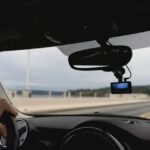
Underpinning its continued commitment to increase driver safety, Geotab, a global leader in IoT and connected transportation, today announced that it has been working with GM Fleet and OnStar Business Solutions to provide an in-vehicle coaching* service via the Geotab Integrated Solution for GM.
The Driver Feedback (In-Vehicle Coaching) service is now included in the Geotab Integrated Solution for GM. The newly released Driver Feedback service is designed to trigger events via audible alerts delivered through the vehicle infotainment system when certain driving conditions are met. It provides insights into specific driving behaviors to help create awareness and encourage safe driving habits by coaching drivers in real-time.
Read the press release.