Why Can’t Smart Cars Do Anything about the Sun in Your Eyes?
July 17, 2022 - Walk up to your car nowadays, and it recognizes your key fob and unlocks the door. It might also set the seat in your preferred position and wirelessly connect to your phone. But what about visibility?
The sun has been the enemy of travelers since the first person had to head westward in the afternoon. Sunglasses can auto-darken. Is the automotive industry comfortable with being out-teched by a $200 pair of Ray-Bans?
Several car companies use electrochromic tech in their glass roofs to adjust from clear to frosted. Couldn't we do the same on the windows? There are rules about tinting, but what if the windshield could track the hot spot and just darken that? What if the whole window went dark while the car is parked to keep the interior cool?

Hertz Faces Lawsuit From 47 Customers Claiming False Arrests
July 15, 2022 - 47 Hertz customers have filed a lawsuit against the rental company that describes horror stories after they were allegedly falsely reported as having stolen its rental cars, and in some cases even jailed.
The lawsuit alleges systematic flaws in Hertz's reporting of thefts, including not recording rental extensions, falsely claiming customers haven't paid, failing to track its own vehicle inventory and failing to correct false reports to police.
"We are reviewing and considering each claim brought against Hertz on its individual merits," Hertz spokesman Jonathan Stern said. "We have begun extending settlement offers to dozens of claimants and will continue to do so on a case-by-case basis."
Element Fleet Management ‘Trends’ Report: Safety, Supply Chain, Fuel Costs are Chief Concerns
Element Fleet Management has released its Trends by Element Fleet Q2 2022 Insights.
Focusing on such key issues as safety, supply chain, remarketing and rising fuel costs, the report offers a number of actionable recommendations designed to alleviate the many challenges of managing a vehicle fleet during this tumultuous era.
Supply chain challenges are affecting all industries and that’s no different for auto manufacturers, who predict this to continue well into 2023.
The used vehicle market remains hotter than ever. This trend will likely subside once new vehicle production kicks into higher gear, as predicted by the report for later this year. The situation is not without its upside for fleet managers.
The Corporate Fleet Manager As Change Agent
By Ed Pierce, Contributing Editor
With the many concurrent changes affecting business fleets these days, how has the role of corporate fleet manager changed?
More than ever, the successful fleet manager is now an agent of change, not a victim of change.
Rather than being whipsawed by higher fuel operating costs, for example, while dealing with vehicle management direction to tamp down expenses due to market conditions, today’s fleet manager must stay on top of the economic, market, customer, competitive, and internal goings-on as thoroughly as they manage fleet operations using advanced fleet analytics.
GM Wants to Make EV Road Trips Easier With Countrywide Charging Network
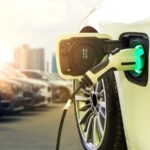
July 14, 2022 - General Motors announced Thursday that they plan to set up 2,000 coast-to-coast DC charging stalls at 500 centers. Each of these stalls will be stationed at 50-mile intervals across the U.S. focused on major highways.
For this project, GM said they were partnering with Pilot Company, which operates truck stops all across the U.S., and EVgo, a public electric vehicle charging company. The company said their stations will offer “numerous” fast charging EVgo stalls that charge at 350 kW. The companies did not say how much users will pay to charge or give any idea of a timeline.
The charging stations will be located at Pilot stops. The truck stop company said it has 750 Pilot and Flying J centers in 44 states and five Canadian provinces.