A Call to Action: The Indirect Buying Cycle Is Here and Suppliers Must Adapt, Part II
By Ed Pierce, FMW Contributing Editor
Last month, I wrote about the trend in B2B sales of overcoming fewer face-to-face sales calls by using digital connectivity tools and media.
This situation has fostered an indirect B2B buying cycle that takes longer, complicates the journey, and involves multiple stakeholders.
Let’s continue looking at how smart suppliers are adapting their marketing and sales strategies to win business.
Forrester Research, in its “A Blueprint for Customer-Obsessed Enterprises,” identifies six phases of the B2B customer lifecycle.

IIHS: Many People Treat Partially Automated Vehicles as Self-Driving
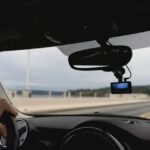
Drivers who use partial automation on a regular basis often treat their vehicles as fully self-driving despite widespread warnings and numerous high-profile crash reports, a new study from the IIHS shows.
“The big-picture message here is that the early adopters of these systems still have a poor understanding of the technology’s limits,” said IIHS President David Harkey.
“But we also see clear differences among the three owner populations. It’s possible that system design and marketing are adding to these misconceptions.”
A Winning Time in Tucson!
I’m writing this from AFLA’s Forward Together conference in Tucson, which has so far been an exceptional experience. The days here have been chock-full of engaging speakers, great learning sessions and tons of wonderful networking in an amazingly gorgeous session. Everyone I’ve spoken to here is having a wonderful (and I would say “winning”) time.
Speaking of winning, we would like to give a great, big Congratulations to all of the awards winners: AFLA president Mike Antich presented awards to Jonathan Kamanns from Boehringer Ingleheim for Edward J. Bobit's Fleet Manager of the Year; Patrick Mitchell from Enel North America for Fleet Visionary; Chuck Parker from Automotive Information Network, Tom Coffey from Merchants Fleet and our own Janice Sutton for the Fleet Hall of Fame!
Ted Roberts
President
Wheels Donlen Launches Capteris Capital as New Equipment Finance Platform
Wheels Donlen has launched a new finance platform called Capteris Capital to provide a wide range of equipment financing solutions.
Ford Raises the Cheapest F-150 Lightning Pro’s Price Big Time—Again
It was nearly too good while it lasted. The original base price assigned to the 2022 Ford F-150 Lightning Pro was eye-popping for its size, or lack thereof: Here was an all-electric full-size pickup truck listed at just over $41,000.
To help keep that price so low, Ford used a ton of carryover parts from the regular, gas-fed F-150—and also charged a lot more for bigger batteries and higher trim levels, ensuring those pricey models helped its bottom line.
The Pro is the only model affected by the new pricing, which lofts the truck's price from its initial—and staggering—price of just $41,769, later upped to $48,769, to $53,769. That's a $12,000 increase over the original Pro's price, and a $5,000 increase over the adjusted price announced in August; nor does it include the $500 Mobile Power Cord, if you wanted that as an option.