Simplify Reporting with Vehicle Maintenance Reporting Standards (VMRS) & Predictive Maintenance
By Pitstop
VMRS is a well-established coding convention (like area codes and zip codes) that offers a universal communication channel for describing the nature of a repair or maintenance service in a shop facility.
It is a universal maintenance language that enables fleet management to produce reports easily, look for trends, and conduct cost and reliability analyses.
Pitstop is a fleet maintenance platform based in Toronto, Canada, that enables fleets to simplify their maintenance strategy by leveraging the abundance of data available from their vehicles.
A Call to Action: Negotiating a High-Wire Marketing Balancing Act (Part II)
By Ed Pierce, FMW Brand Acceleration
Happy New Year!
There’s no better way to wrap up last month’s column, “Negotiating a High-Wire Marketing Balancing Act,” than with some key marketing goals you should be pursuing in 2023.
According to McKinsey & Company, "clear KPIs, such as a volume of new customers or specific revenue goals, ensure that everything is measured and evaluated."
No matter what marketing goals you set, it's important to have a plan for how you'll achieve them. Depending on your marketing goal, you may have a range of strategy types to choose from.
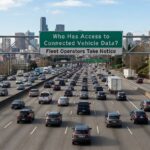
Your Car’s Telematics Can Lower Your Car Insurance Costs
Telematics help reduce insurance costs while providing a new revenue stream and enhancing buyer loyalty
Among the innovative new products advancing telematics technology has created are policies with rates that are not only based on the owner’s driving habits, but ones that use a car’s telematics to specify how far owners drive.
During the past few years, at least 17 OEMs have released telematics-based insurance packages and many automakers have partnered with insurance companies, including Ford with Arity, GM with American Family, Ford with Octo Telematics, PSA with AXA, Daimler with SwissRE.
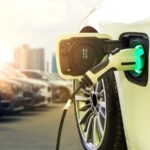
NYC Fleet Will Add 1000 New EVs and Deploy Charging Infrastructure
New York City will add Electric Transit Vans and Pick-Up Trucks for Agencies Citywide, and Electric Refuse Trucks and Hybrid Plug-In Street Sweepers for DSNY
New Investments in Electric Vehicle Fleet Made Possible by $10.1 Million in Federal Grant Funding.
“When New Yorkers see cars, trucks, and vans with the ‘NYC’ logo on the side, they can rest assured that those vehicles are contributing to a greener city,” said Mayor Eric Adams. “We are already ahead of schedule in transitioning city vehicles away from fossil fuels, and this new grant will allow us to take nearly 1,000 fossil-fuel vehicles off our roads, helping us reduce carbon emissions, make our air cleaner, and save on fuel costs.”
NHTSA Estimates Suggest Roadway Fatalities Beginning to Level Off After Two Years of Dramatic Increases
The National Highway Traffic Safety Administration has released its latest projections for traffic fatalities in 2022, showing a 0.2% decrease compared to fatalities during the same time in 2021.
NHTSA projects that fatalities declined slightly in the third quarter of 2022 - the second straight quarterly decline in fatalities after seven consecutive quarters of year-to-year increases.
“Fatalities have not increased for two quarters now, but we have far more work to do to save lives and address the crisis on our nation’s roadways,” said NHTSA Acting Administrator Ann Carlson.