J.D. Power Study: While Vehicle Owners Love AI, They’re Confused about Other New Tech
By Dave Bean, Content Editor, FMW
The newly released J.D. Power 2024 U.S. Tech Experience Index (TXI) Study indicates that new vehicle owners find Artificial Intelligence (AI)-based components, such as smart climate control, to be very useful and relatively easy to figure out. The user experience for other new technologies, however, leave this same group scratching their heads and wondering why some are even needed.
Those technologies frustrating new vehicle owners most include facial recognition and fingerprint reader components, as well as interior gesture controls. The low ratings for these features, highlighted by sheer bewilderment as to why OEMs would even include them, have created a perceived overall loss of value for the vehicles that have them.
“A strong advanced tech strategy is crucial for all vehicle manufacturers, and many innovative technologies are answering customer needs,” said Kathleen Rizk, senior director of user experience benchmarking and technology at J.D. Power. “At the same time, this year’s study makes it clear that owners find some technologies of little use and/or are continually annoying."
As Cars and Trucks Get Bigger and Taller, Lawmakers Look to Protect Pedestrians
Lawmakers in Congress introduced a bill on Friday that would put federal limitations on automobile hood height and visibility to protect pedestrians and other vulnerable road users.
“We've seen these standards over time improve vehicle safety with a focus on the people in the vehicle,” said Rep. Mary Gay Scanlon (D-Pa.), a co-sponsor of the Pedestrian Protection Act. “But this would sort of expand that to pedestrians, bicyclists and people outside the vehicle.”
Larger cars are favored as they're supposed to be safer for the occupants but it’s a very different story for people outside the car.
Almost Half of All New EVs In the U.S. Are Leased
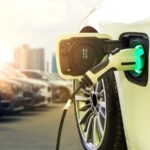
Leasing has become the preferred way for Americans to get behind the wheel of a new electric vehicle. Leasing accounts for 48.7% of sales, while financing went down to 34.7%, followed by cash with just 16.6%.
The shift toward leasing is a market-wide trend, but the EV sector saw the biggest change in this direction. The percentage of leases attributed to EVs in Q2 2024 was 16.5%, while in Q2 2022 it was 11.0%.
When it comes to EVs, the proliferation of more budget-oriented models, higher inventory levels and the fact that the $7,500 federal tax credit can be applied to any EV when leasing, not just American-made ones, were the main factors at play.
Even More Car Insurance Cost Hikes Are Coming: Report
States that experience severe weather damage and high car theft rates will see premium jump as much as 61 percent. Three states, in particular, could see rates increase by more than 50 percent by the end of the year, according to a report.
According to a new report from Insurify, the increases are due to a number of factors, including severe storms, wildfires, and car thefts. For example, the Midwest experienced a supercell last year that produced golf ball-sized hail, heavy rains, and tornadoes. In Minnesota, the hail reached baseball-sized proportions. As for California, well, it has a tendency to burn.
These Cars Have the Longest Driving Range After a Low Fuel Warning
There are usually two types of people in a relationship: Those who fill their gas tanks as soon as it crosses the halfway mark and those who tempt fate by driving as far as possible with the low fuel light on. A recent MarketWatch Guides report caters to the latter crowd, as it examined how far different vehicles travel on an empty tank.
The Toyota RAV4 Icon FWD offers the best mileage with an empty tank, traveling more than 73 miles after the fuel light comes on, according to the study. That’s more than enough to get to the next gas station and may even tempt some owners into driving for days with the fuel light illuminated.