Why Fraud is No Longer Preventing Fleets & Lenders Access to Private Buyer Opportunities
By Brad Parker, Co-Founder and CEO, DealNow.com
The fleet industry has long been plagued by the persistent issue of fraud, especially with used vehicle transactions. For years, fleet operators and their financing partners have been hesitant to offload aging inventory directly to private buyers in the private marketplace.

Overwhelming Amount of Drivers Aren’t Using Car Subscription Services
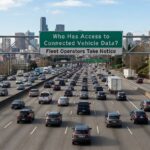
A survey of 1,000 US and European drivers has painted a bleak picture for automakers looking to cash in on their connected subscription services. The study’s results show that a considerable percentage of drivers want more value from the services regarding cost, available features, and data security before adoption.
USPS EV Contract Becomes Target of DOGE Caucus
US Senate DOGE Caucus Chair Joni Ernst (R-IA) and DOGE Subcommittee Congressman Michael Cloud (R-TX) have introduced a bill, dubbed the Return to Sender Act, that proposes to terminate the $3 billion that had been allotted under the Biden administration's Inflation Reduction Act to electrify a part of the USPS fleet, citing delays and other issues in the program.
EPA Administrator Going to War Against Emissions Requirements
Incoming EPA Administrator Lee Zeldin issued a press release this week announcing the long list of environmental regulations he's seeking to eliminate. Among them are automotive emissions rules issued throughout the Biden administration.
Download Agile Fleet’s Free 10-Year Fleet Cost Savings Calculator
The Agile Fleet team created a handy calculator that, with just a handful of inputs, can provide you with an estimate of what you’ll save by right-sizing your fleet and streamlining your processes through automation.