A Call to Action: Media Relationship Building ‘Best Practices’
By Ed Pierce, Fleet Industry Marketer
Traditional public relations practices seem to be considered outmoded in this age of social media, marketing content and digital presence.
However, digital communications cannot replace the effectiveness of personal relationships with those who can influence buying decisions. In a B2B environment, chief among these “influentials” are editors and writers for the various trade and business press.
Joseph Gallo, Vice President at Weber Shandwick, provides five best practices for media relations:
1. Stop emailing! There’s nothing as effective as speaking with and getting to know your editorial contacts. Get on the phone to solicit advice and pitch ideas. Go to conferences and trade shows to meet and greet them! A cup of coffee could lead to your next story!

Is It Time For Technology To Replace A Car’s Side Mirrors?
Hardcore car enthusiasts have a difficult time letting go of certain old-school technology like manual transmissions, even though it’s been proven that a cutting-edge automatic gearbox can shift as smooth and fast as any human. But I doubt that most motorists miss, say, crank windows or manual steering.
The venerable side mirror could be the next vehicle feature to get relegated to the dust bin, and its demise may be overdue since new and better solutions now exist.
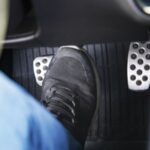
Bosch Has A New Gas Pedal That Could Make Your Car More Fuel-Efficient (And Smarter, Too)
Love it or hate it, the Internet of Things is upon us. We have watches that tell us when we've been sitting too long, dog collars that keep tabs on our pooches' pulmonary patterns, and refrigerators that know way too much about our private eating habits.
So, it's not very surprising that one company has developed a smart gas pedal -- one that teaches motorists to drive more efficiently, gives them a heads-up on traffic jams, and warns them of potential collisions.
Teens Get Back in Driver’s Seat as Economy Picks up
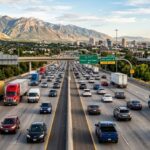
Teenage drivers are returning to the roads in a trend that a new Highway Loss Data Institute analysis links to the recent economic recovery.
Teenagers have the highest crash rate per mile traveled of any drivers, so the number of young people on the roads has important safety consequences.
Colorado to Fund Fleet Purchases of Alternative Fuel Vehicles
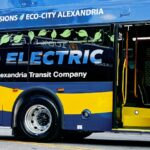
As part of the ALT Fuels Colorado program, the Regional Air Quality Council (RAQC) is requesting applications to fund fleet purchases of alternative fuel vehicles (AFVs). AFVs under this application include new original equipment manufacturer (OEM) compressed natural gas (CNG), electric, propane and CNG bi-fuel vehicles weighing 6,001 lbs or more.
Funding for AFV purchases is available for public, nonprofit and private fleets operating within Colorado’s ozone nonattainment and carbon monoxide maintenance areas.