Mercedes Is About to Unveil an Entire Fleet of Electric Vehicles
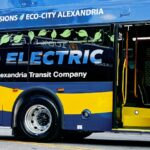
Mercedes-Benz is planning its own distinct line of electric vehicles, challenging BMW and Tesla Motors Inc. in a bet that alternative-fuel cars have the potential to become profitable.
Mercedes will add two electric sport utility vehicles and two sedans.
A new sub-brand will be created for the cars, though a name hasn’t been chosen yet.

How to Work a Room at an Important Networking Event
Figuring out how to walk into a room full of strangers and have a meaningful, natural, productive conversation can be challenging. All too often, we shrink back to the comfort of furtively searching the room for familiar faces and gravitating to the friendlies we recognize.
Before we know it, an hour or two has elapsed, and we’ve accomplished nothing more than showing up and shooting the breeze.
READ MORE to learn five tips to help you make the most of every networking opportunity.
AAA: Road Debris Causes Avoidable Crashes, Deaths
From shredded tires to a sofa sitting in traffic lanes, roadway debris caused more than 200,000 crashes with 500 deaths over four years across the USA, according to a new report.
About 39,000 people were injured in the crashes from 2011 through 2014, according to the study released by the AAA Foundation for Traffic Safety.
More than one-third of the deaths resulted from a driver swerving to avoid hitting debris, the report said. In other cases, cars struck the debris, sometimes setting off a chain-reaction of collisions.
Webinar: Safety and the Generational Gap
As the generational mix of your company changes, so should your company car policy. On the one hand, one generation might be playing mobile apps like Pokemon Go or using their company car for a side business like Uber. On the other hand, another generation might not like receiving emails. You need to consider these differences when updating and communicating your safety policy changes.
Join LeasePlan safety experts Dan Shive and Robert Krueger on Thursday, August 18, at 2 pm EST, as they discuss how to develop your company's fleet policy while incorporating these generational changes.
More Auto Computers Means More Complicated, Costly and Longer Repairs
By Greg Neuman, CEI Senior Manager of Quality Control
Thanks to digital technology, cars and trucks are safer and more fuel efficient than ever, but the growing number of computers installed on them has also made them more difficult, time-consuming and expensive to repair.
What’s more, with all the customer demands for more safety, navigation and information features, the problem is only going to get worse for as long as anyone can see.