Ride-Hailing Isn’t Really Green
A new report by the Union of Concerned Scientists evaluated the less-examined ramification of the ride-hailing sector: its environmental toll.
The study estimates that the average U.S. ride-hailing trip results in 69% more pollution than the transportation choices it displaces. As many as 40 percent of all miles driven by Uber and Lyft across six major U.S. cities were without passengers, according to a joint study released by the companies last summer.
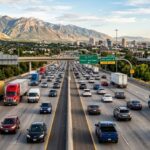
A growing cache of research by academics and policymakers points to a host of negative impacts associated with the explosive popularity of on-demand rides, including increased traffic congestion, declines in public transit ridership and upticks in traffic fatalities.
Read the article at CityLab.

The 15 Most Fuel-Efficient SUVs Are Electrified, But They’re Not All Electric
The 15 best performing SUVs require electricity to some or full extent to achieve their stellar performance as the cleanest and most energy efficient vehicles offered in the U.S. and are based on fuel economy ratings provided by the Environmental Protection Agency.
The hybrids are ranked according to their city/highway miles per gallon estimates. EVs are rated according to a miles-per-gallon electric equivalent. Plug-in hybrids note both the MPGe figure for when it’s running on battery power and the conventional rating for when it’s operating in gas/electric hybrid mode.
With the first deliveries expected in March, the full-electric Tesla Model Y will be the most efficient SUV ever built. The EPA projects the dual-motor all-wheel-drive Performance version will, on average, travel for 315 miles on a charge.
Read the article at Forbes.
The Car is Becoming a Sentry, a Chaperone and a Snitch
My parked Tesla Model 3 got gashed in a hit-and-run two weeks ago and I found a star witness: the car itself.
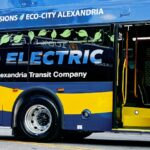
A year ago, Tesla updated its software to also turn its cameras into a 360-degree video recorder. Even when the car is off. All those digital eyes captured my culprit - a swerving city bus - in remarkable detail. The benefits of Tesla's Sentry Mode are clear. The video clips from my car made a pretty compelling case for the city to pay for my repairs without even getting my insurance involved.
Once governments, companies and parents get their hands on car video, it could become evidence, an insurance liability and even a form of control. It could be the end of the idea that cars are private spaces to peace out and get away - an American symbol of independence.
Read the article at The Washington Post.
NTSB Chairman Has Scathing Words for Tesla’s Autopilot System and Those Who Misuse It
The National Transportation Safety Board's chairman, Robert L. Sumwalt, made clear he believes Tesla isn't doing enough to inform customers of its Autopilot driver assistance feature's limitations, and that customers need to be vigilant in their use of such driver aids.
"In 2017 we issued two recommendations to six automobile manufacturers," Sumwalt stated. "Five manufacturers responded favorably that they were working to implement these recommendations. Tesla ignored us.
Tesla's Autopilot cannot replace a human driver's awareness or, in essence, drive for you. Pay attention at all times behind the wheel, no matter what sort of driver aids your vehicle has.
Read the article at MSN.
Study: New Euro Cars Emit More C02 Pollution
The technology used in new cars sold in Europe to meet stricter standards for nitrous oxide emissions, responsible for lung diseases, is causing them to burn more fuel and emit higher levels of carbon dioxide, one of the greenhouse gases scientists say is responsible for global warming.
That’s the finding of a study of 292 new car models sold in Europe since 2017 conducted by Which?, the U.K .‘s analog to Consumer Reports in the U.S.
“Our car emission tests have revealed that the latest cars are producing more CO2 than the older ones they’re replacing – on average, 7% more (10.5g/km). Our lab experts say the technical and software modifications needed to reduce emissions, and therefore adhere to the latest emissions standards have led to an inevitable rise in fuel consumption and CO2.”
Read the article at Which?