UK: Killer Drivers To Get Life Sentences Under ‘Long Overdue’ Reforms
Life sentences for killer drivers in the UK will finally be introduced to parliament next year; a near four-year wait after a previous pledge from the Ministry of Justice.
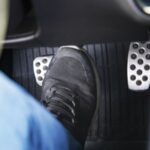
It means someone found guilty of causing death by dangerous driving – or careless driving while under the influence of drink or drugs – now faces a maximum penalty of a life sentence instead of the current 14 years.
“Driving is a privilege not a right and yet our flawed legal system continues to allow convicted dangerous drivers on the roads where they can endanger others. We all want safer roads but we will only achieve this if the law treats road crime with the seriousness it deserves.”
Read the article at Fleet World.

Countdown to AFLA NextGen 2020
We are less than 30 days away from the AFLA NextGen 2020 Virtual Corporate Fleet Conference - what are you most excited for?
Check out this year’s lineup of top-caliber live keynote speakers focused on topics immediately impactful for your continued career growth and success - no matter your role in fleet.
Register today to secure your spot – and share your excitement with #AFLANextGen on Twitter and LinkedIn!
To Compete With Uber And Lyft, Taxis Make The Switch To Upfront Pricing
Curb is one of several on-demand taxi-hailing apps that enable riders to use their mobile device to request a taxi, track its arrival, and pay their fare. Users will be quoted a fixed rate for their trip in advance that will help them figure out how much the trip will cost before they request a ride.
Fares are determined dynamically using live and historical trip data, and have been fine-tuned using hundreds of thousands of trips during its public beta program the company started in 2018.
Prior to implementing upfront pricing, Curb used to charge a flat $1.95 booking fee in addition to the fare. Curb now bundles the booking fee into the fare, which varies slightly based on supply and demand, but on average is around $2 per trip. However, drivers know exactly how much they'll be charged by Curb before they accept a trip. Unlike Uber and Lyft, Curb does not charge drivers a percentage-based commission.
Read the article at Forbes.
Nikola’s House Of Cards Crumbles As GM Acts Like Nothing Is Happening
Nikola Motors and its founder, Trevor Milton, are scrambling to save face after a research report exposed years of deception. This follows their new deal with GM, who doesn’t seem very concerned about their new partners’ past deception.
Among the dozen of claims in the report, some of the more damaging ones include an allegation that the first video of Nikola’s truck actually driving was the result of towing the truck up a hill and pushing it down. Another claim they developed their own inverter and released a video of it, but they were able to figure out that it was a Cascadia inverter, and Nikola simply put masking tape over their logo:
In the deal with GM, Nikola would use the automaker’s battery and fuel cell technology in Nikola’s Badger electric pickup truck and future vehicles, despite the fact that Nikola has been claiming for years that they are developing their own battery pack technology.
Read the article at Electrek.
Lucid Motors Reveals Lucid Air Luxury Electric Car With 517-Mile Range Aimed At Tesla
Silicon Valley-based Lucid Motors, one of several electric vehicle startups hoping to become the next Tesla, debuted the production model of the Lucid Air, a slickly designed midsize sedan capable of going up to 517 miles on a single charge.
The base model, called the Lucid Air, will start at "below $80,000" with unspecified range and engine output. The Air Grand Touring will start at $139,000 with a range of 517 miles and 800 horsepower. Tesla's longest-range electric car is the Model S Long Range Plus, which gets 402 miles and starts at $74,990, though it can cost more than $100,000 when options are factored in.
Lucid CEO and Chief Technical Officer Peter Rawlinson said the company’s goal is to make 34,000 vehicles per year once it completes its first phase of ramp-up, with plans to get up to 400,000 per year within six years. By comparison, Tesla sold 367,500 vehicles worldwide in 2019, up 50% for the year.
Read the article at USA Today.