State of the Fleet Industry Today
The ongoing perfect storm: succession planning to avoid a brain drain during the time of the pandemic.

Behind the Scenes the with Scott County, MN Fleet Services Motor Pool
Jason Allen is the system administrator for the Scott County, Minnesota fleet. Scott County, located southwest of Minneapolis, has a population of 141,000 people, and covers 365 square miles. The Scott County, MN fleet has six automated motor pool sites located around the county, all managed from one central location. More than 900 people share the vehicles in the 84-vehicle motor pool, and they have some assigned vehicles as well.
Q: One of the unique things about your organization is that you run the Agile Fleet motor pool system alongside other fleet systems. How did that come about?
A: Prior to 2013 we had a maintenance system in place, but we needed a way to share vehicles efficiently. We wanted to improve utilization and get better control of the motor pool plus reduce costs. We had cars all over the place, including old cars that never got used, and we didn’t know where keys were. We also needed to decrease our personal mileage reimbursement costs. At that time, we were paying out a quarter of a million dollars for personal vehicle use! Even though folks had access to motor pool vehicles, people weren’t using them. It was easier to use their own cars, but it cost our county 45% more to use a personal vehicle than to use the motor pool. And, we needed utilization reports to understand how our vehicles were used and what composition changes we needed to improve efficiency.
Taking Stock of Where Your Fleet is Now
It’s been a rough year, and you should be taking stock of where your fleet is now, if you haven’t already. Doing one-on-one’s with your team is a great place to start.
Kelley Blue Book Names 10 Best Automotive Technologies of 2021
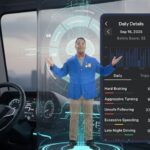
As cars become more advanced, electronic technology and integrated systems are musts to consider when shopping for a new vehicle. The array of safety, security, connectivity, and communication systems available in today's cars makes life on the road easier without causing driver distraction.
Advanced Driver Assist Systems: These systems can react to hazards, reduce driver fatigue, and even park the car. Technologies like adaptive cruise control, lane departure warning, lane-keep assist, blind-spot alert, cross-traffic alert or reverse brake assist can secure these services as standalone options or in bundled suites.
Automatic Emergency Braking (AEB): AEB is a part of many advanced driver-assist systems, and it's becoming more common. Often a standalone feature, it can sense a potential accident before the driver does and immediately apply full brake pressure to stop the vehicle quickly, possibly preventing a collision.
Read more at PR Newswire.
Emerging Stronger
We love the theme of this year’s AFLA Corporate Fleet Conference -- “Emerging Stronger” is exactly what we all long for. Mark your calendars: October 4-6 in beautiful San Antonio.
In this month's Call to Action column, marketing guru Ed Pierce introduces the first in a series of articles on account-based marketing. He says, “ABM can simply be stated as more targeted, personalized, and well-planned buyer engagement during their journey with your brand, the customer relationship cycle.”
FMW is delighted with the response to our first podcast which debuted in last week’s newsletter. In case you missed it, here’s Mercury Associates’ top executive Paul Lauria on the State of the Fleet Industry Today.
Stay Safe, Everyone!
Janice Sutton
Editor in Chief