Cracked Windshield Repair in the Age of High-Tech Cars: It’s Not so Simple
A windshield, for decades, had one job: shield drivers from the elements. Repairs often meant replacing glass much like a broken window pane in your house.
But, the times have changed in big ways. Sensors, cameras and calibration can multiple the cost and difficulties of a replacement.
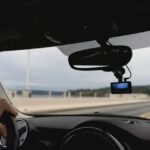
First is the integration of cameras or other sensors in the windshield, looking out at the road with you. "They're becoming really common on a wide range of vehicles," says Aaron Schulenburg, executive director of the Society of Collision Repair Specialists, the trade group for collision repair technicians. "What were once really simple operations now require complex diagnostic and calibration work."
Read the article at CNET.

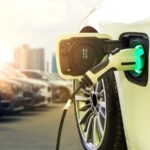
Here Are All the Promises Automakers Have Made about Electric Cars
When carmakers talk about electrified vehicles, they're counting hybrids, plug-in hybrids, EVs, and in some cases hydrogen fuel-cell vehicles in the mix.
And when a single model has several different electrified variants (for example, the Prius's hybrid and plug-in models), carmakers will count each of those separately towards their electrification goals.
GM released the all-new 2022 Chevrolet Bolt EUV and revised Bolt EV on Feb. 14. GMC Hummer EV production starts this fall. Sometime this year BMW will show the first all-electric M badge car, perhaps an M-sport version of the electric i4 sedan. Stellantis plans to launch 10 hybrid or electric models across its brands by the end of the year. Jaguar Land Rover says it will begin testing a hydrogen fuel-cell prototype sometime in 2021 or early 2022.
Mercedes plans to introduce 10 new EVs through its EQ brand by the end of the year, including the 2022 EQS. Ford intends to start production of the F-150 Lightning, an electric version of America's bestselling vehicle, by the spring of 2022. A Honda EV built in partnership with GM, reportedly a crossover, is expected to enter production.
Read the article at Car and Driver.
Athene Investing in Donlen’s People, Processes and Systems
Donlen’s recent acquisition by Athene means significant investment in people, processes and systems that will lead to considerable growth.
All of the Electric Cars Available in the U.S. in 2021
Ten years ago, barely 18,000 electric cars were sold in the U.S., mostly Chevy Bolts and Nissan Leafs. The following year, the number increased to about 53,000, including about 2,400 Teslas . In 2018, EV sales were at over 361,000, including nearly 140,000 Model 3 Teslas alone, establishing it as the best-selling plug-in electric vehicle with nearly 50% of the market share.
There are now more than 20 electric cars available in the U.S., with more on the horizon, including pickup trucks: Ford is taking reservations for its 2022 F-150 Lightning, and Rivian is expected to start delivering its R1T to customers this summer, Car and Driver reports. GM's former gas-guzzling Hummer is turning over a new leaf as an electric, with production expected to begin this fall, the company says. Even supercar makers like Lamborghini are boasting about getting in the game.
Prices and mile range vary on these cars, and it's often a tradeoff. The cheapest car, from Chinese automaker Kandi, is new on the U.S. scene, boasting a price around $20,000, and coming in at significantly lower with rebates applied, but its range is about 56 miles.
Read the article at MSN.
Issues Fleet Managers Face Comparing Fleet Transport Quotes from Different Transport Providers
When comparing fleet transport quotes from different transport providers it’s important to drill down to find the real cost, so that there aren’t any unexpected charges.