Merchants Fleet Reserves 5,400 New BrightDrop EV410s
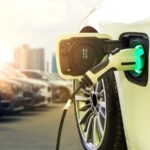
Merchants Fleet announced that it has reserved 5,400 BrightDrop EV410s, the all-new, mid-size electric light commercial vehicle purpose-built for the delivery of goods and services over long ranges, as well as other service applications.
“We are dedicated to meeting our fleet clients’ EV needs, from top to bottom,” said Merchants Fleet CEO Brendan P. Keegan."The electrification of fleet is no longer in the future—It is here, and we are proud to work with BrightDrop to reach diverse segments and drive this transformation forward.”

Autolist Survey: Ford F-150 Lightning Is The Most Wanted EV Pickup
A new survey, conducted by Autolist, reveals which battery-electric pickups (launched or upcoming) are the most wanted in the U.S.
The company asked over 1,100 current car shoppers in late October and early November "to gauge their interest in and awareness of the all-electric pickup truck segment." Not only was Ford’s Lightning the most popular pick, but it also won over key groups of shoppers who will be crucial to the success of it and any other electric pickup.
The Ford was also the top choice among first-time EV buyers and existing or previous EV owners, first-time and existing/previous truck owners, nearly all of the age groups polled, and across all household income levels."
Read the article at Inside EVs.
Booster Builds out Executive Team
Booster announced the appointment of Jason Godley as President of the company, along with a round of new executive hires to expand and fill top C-suite roles.
"These executive additions to Booster's leadership team come at the perfect time to support the company's growth and scale," said Frank Mycroft, CEO and co-founder, Booster. "Their impressive credentials and blend of energy technology, sustainability, and operations leadership is a power trifecta for our business. As Booster continues to expand and innovate, this new team will provide the essential infrastructure for our growing roster of fleet customers."
Wide-Spread High-Power Charging for Electric Vehicles Gets Closer
By Ed Pierce, Contributing Editor
Every day some 65,000 public buses travel the streets of our nation’s cities.
Local transit authorities operating these fleets are coming under increased pressure to control operating costs and at the same time improve the environment by reducing or eliminating their buses’ emissions.
One option many of them are considering is the use of electric buses because several bus manufactures produce them.
Kevin Fisher, Director of Truck Electrification Systems at Momentum Dynamics of Malvern, PA, believes his company has one of the best systems to help them reach these goals: high-power, automatic electric charging systems for battery-electric buses.
eDriving Awarded Prestigious Prince Michael International Road Safety Award for Mentor
eDriving has been awarded a 2021 Prince Michael International Road Safety Award.
In a letter addressed from Kensington Palace to eDriving, His Royal Highness Prince Michael of Kent wrote: “I have been impressed by the valuable work your team at eDriving does to reduce risk, notably to those who drive for work.
"It is especially noteworthy to see how the company is able to develop and adapt programs for use in several different countries. Most impressive is the way in which you apply sound science to underpin your innovations.”
eDriving was selected for the award for its innovative digital driver safety app, MentorSM.