Shine a Little Light On: U.S. Headlight Standards to Get Major Update Thanks to Infrastructure Law
February 18, 2022 - When the rest of the world was enjoying the latest features and lighting roadways up with adaptive beams that could do things like selectively dim individual bulbs to avoid dazzling pedestrians or oncoming drivers, we were stuck with stone age non-adaptive headlights.
In 2013, Toyota sent a petition for the use of its adaptive headlight system, which had been in use a few years before that in Japan, Canada, and Europe. It detailed how the system could save nine out of every 2,334 pedestrians and yet not blind other motorists.
The petition was granted and has now paved the way for other makes to apply their own adaptive headlights on their vehicles. The final rule is set to be approved in 2023 per the Infrastructure Bill that passed in 2021.

Forget E85 — Study Finds Corn-Based Ethanol Worse than Gasoline for the Environment
A new study published by the National Academy of Sciences could deliver a death blow to E85 ethanol fuels.
Automakers like General Motors and Ford, along with numerous farm states and agricultural lobbyists have long promoted ethanol as an environmental friendly alternative to gasoline.
But the newly published study suggests the opposite is true, estimating corn-based ethanol actually is at least 24% more carbon-intensive than gasoline. The report could influence future use of biofuels, a subject now under review by the Biden administration.
Consumer Reports: Subaru Takes Title of Best Brand
February 17, 2022 - Each year our brand rankings reflect the changes that inevitably come as automakers introduce new cars and fix problems in vehicles already on the market. Brands that rise to the top tend to have the most consistent performance across their model lineups.
We compile the report card each year by averaging the Overall Scores for each brand’s models, factoring in road-test performance, predicted reliability, owner satisfaction, and safety.
For 2022, we saw a change at the very top, with Subaru moving ahead of Mazda to claim the title of best brand overall. Among the leaders, Audi saw the biggest leap up, climbing five places in the rankings.
Is a Panoramic Sunroof Safe in a Rollover Crash?
February 20, 2022 - Government crash-test results have shown that the effect of a sunroof is insignificant to the overall strength of the roof. The car's steel frame is what is helping to keep you safe.
The better roofs use laminated glass so the glass holds together when shattered. Do your research before buying a car to make sure the model has good safety rating, from crash tests through to stopping distances, and ideally identify that the panoramic roof is made from laminated glass.
During a crash, passenger ejection is more likely the greater danger. The most important thing you can do to prevent being ejected from a vehicle is ensure that you and all passengers are wearing a seat belt at all times while the car is moving.
Driver Training Pays Dividends
Over 6 million motor vehicle accidents occur every year in the United States. Of those, 94% are caused by human error. The average cost to employers differs based on harm and damages incurred.
- With property damage: $8,900
- With a non-fatal injury: $79,000
- With a fatality: $1.4M
For industries that are operating on the road, there will always be a risk of accidents or safety incidents. The roads are a dangerous place to operate, with motor vehicle crashes being one of the leading causes of death in the country.
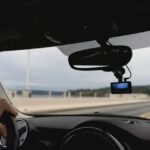
The Driver Coach program by SuperVision reduces accidents fleet-wide by focusing on safe driving behavior.