Forward Together: Looking Forward to AFLA
There’s something very powerful about practicing and emphasizing the human aspect of doing business, and it ties in nicely with AFLA’s theme of Forward Together.

Auto Plants Shut Down as Ukrainian Invasion, COVID-19, Disrupt Production
March 17, 2022 - It seems the auto industry’s days of supply chain issues are certainly coming to a middle, as a resurgence of COVID-19 in China as well as Russia’s invasion of Ukraine shuts down or limits production in factories around the globe.
It seems no automaker is safe from the disruptions. Ford, Tesla, BMW, Porsche and Volkswagen have all had to adjust production schedules around shortages.
VW was one of the first to be affected. In late February, the company announced that it was stopping production for four days at its factory in Zwickau, Germany, where the electric ID.4 crossover is built. VW announced a three-day halt at a factory in Dresden as well. By early March, a leaked internal memo from Porsche revealed that the carmaker had also been affected and that production of all Porsche models would be delayed as a consequence.
Technology That Makes Technicians’ Jobs Exponentially Easier
The younger generation of technicians expects technology to make their jobs easier, and that is even more important as vehicles become increasingly complex.
Volvo and Starbucks to Put Charging Stations at Coffee Shops
March 15, 2022 - Volvo and Starbucks are joining forces to give electric vehicle owners a more pleasant charging experience.
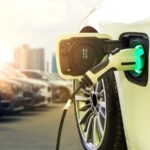
The two companies have announced a plan to install EV charging stations at Starbucks coffee shops across several U.S. states as part of a pilot program to study the project's scalability. About 60 chargers will be installed at 15 Starbucks locations along a 1,350-mile route between Denver and Seattle, which is home to the coffee giant.
Placed about 100 miles apart, the charger-equipped Starbucks fall within the range of most EVs, and their relative proximity should limit the amount of advanced planning one would have to do during an EV road trip. The companies plan to offer them to any drivers of electric cars. Charging fees will apply, but Volvo vehicles will get to use them either free of charge or at a discount.
Fleet Maintenance Consulting and Cost-Saving Solutions
From in-house training for technicians to overall maintenance analysis, fleet maintenance consulting offers efficiencies and cost-saving solutions.