Biden-Harris Plan Nationwide EV Charging Network
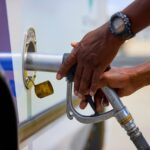
June 9, 2022 - In keeping with President Biden’s commitment to jumpstart the construction of a national network of 500,000 EV chargers by 2030, the U.S. DOT's Federal Highway Administration announced rules on proposed minimum standards and requirements.
“To support the transition to electric vehicles, we must build a national charging network that makes finding a charge as easy as filling up at a gas station”. said U.S. Transportation Secretary Pete Buttigieg. “These new ground rules will help create a network of EV chargers across the country that are convenient, affordable, reliable and accessible for all Americans.”
No matter what kind of EV a user drives, what state they charge in, or what charging company they plug into, the minimum standards will ensure a unified network of chargers with similar payment systems, pricing information, charging speeds, and more.

A Call to Action: The First Digital Marketing Tool…
...Is Still the Best When Business Results Matter
By Ed Pierce, Fleet Industry Marketing Consultant
With the hyperbole and hype about digital marketing activities such as social media, content marketing, SEO, and PPC, the first digital marketing tool, email, is still one of the best.
It's important to nurture leads, convert prospects, and reward repeat customers. Using tested email marketing best practices will help you do just that. These tips can also help you make the most of your email marketing strategy.
When setting up a digital marketing campaign, targeted email is a key component. It enables you to reach out directly to customers, while at the same time enabling you to test different variations of the same email.
Let's break down the three essential stages of targeted email marketing campaign.
Wheels Donlen Adopts Multi-faceted Strategy in Developing New Platform
By Ed Pierce, Contributing Editor
Last year, the merger of Wheels and Donlen made waves in the fleet management world.
The combination of these two powerhouse companies has created a true force to be reckoned with in the fleet management industry.
With the advantages that scale will bring coupled with both legacy organizations’ relentless focus on customers, Wheels Donlen is well positioned for success.
As the two companies become one, they needed to align on a platform strategy that would allow them to best serve their expanding customer base - ensuring that the existing platform strengths of each legacy company could be maximized while also building enhancements to help their customers achieve their fleet and business goals.
NSC’s National Safety Month – Time to Ingrain Driver Safety in Company Culture
By Ed Dubens, CEO/Founder of eDriving
The latest data from the U.S. Bureau of Labor Statistics shows that the number one cause of workplace deaths is motor vehicle crashes, accounting for more than 37 percent of all work-related deaths.
It’s a sobering statistic, which is why this month’s National Safety Month, is an ideal opportunity for businesses with employees “driving for work purposes” to consider if they are doing everything they can to keep their drivers safe.
Sadly, too often, driver training is a “checkbox” exercise to simply meet health and safety requirements, or an initiative implemented in response to an incident or collision, especially one involving injuries. Road safety needs to be ingrained in company culture. “What interests the boss, fascinates and engages the employees” is a popular eDriving mantra.
NAFA Leadership Experience ’22: Expanding Influence, Energizing Innovation
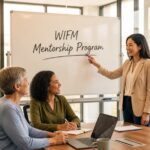
For a second consecutive year, NAFA will offer an opportunity for members to bolster their leadership skills by attending the 2022 NAFA Leadership Experience.
The re-imagined four-module virtual interactive event will be conducted on June 30, July 14, July 28 and August 11.
Entitled Expanding Influence, Energizing Innovation, the focus this year is on the capacity to be both innovative and influential, a mandatory skill set necessary to succeed in the current business climate.