With ‘EV Live’ GM Jumpstarts the Electric Vehicle Conversation
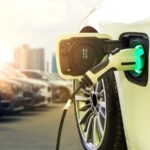
General Motors is all-in when it comes to educating the public about the various facets of electric vehicle (EV) ownership.
GM is introducing EV Live, a comprehensive one-stop online experience as a means to answer any and all questions, whether about the vehicle itself, what’s involved with charging at home or on the road, as well as a wide range of other relevant topics.
EV Live is more than just a website where you merely read and search for topics of interest. When you visit the site, you enter Live studio which features active displays of EVs, chargers for home and public use, and batteries.

Understanding How to Produce a Fleet of Well-Trained, Competent Drivers
By Art Liggio, Chairman, Driving Dynamics
From a safety perspective, the goal of seeking “Understanding” is to transform a driver from an “Unconscious Incompetent” to a “Conscious Competent.”
I’ll get to this in a minute but first, we all know that our national crash statistics, including fatalities, are rapidly getting worse. So, what’s going on?
Depending on who you talk to or the research you examine, you quickly come up with a multitude of answers identifying the issues that are contributing to this dilemma.
Fleet and safety professionals have been actively pursuing and implementing fixes, but it always seems, especially in recent years, that it’s difficult to push through and obtain tangible, lasting results.
Chevrolet and Ford Full Size Pick-Ups Most Stolen Vehicles for Second Year in a Row
July 19, 2022 - For the second year in a row, Chevrolet and Ford full size pick-ups took the top two spots in the National Insurance Crime Bureau’s (NICB) annual Hot Wheels vehicle theft report, and the GMC full size pick-up made the top 10 list.
Of the nearly 1 million total vehicles reported stolen in 2021, 14% of passenger vehicles were Chevrolet, Ford, and GMC full size pick-up models. The Jeep Cherokee/Grand Cherokee sport utility vehicle rounds out the four U.S. models most stolen in 2021.
“Used car values are at historical highs,” said David Glawe, President and CEO of NICB. "We have seen a nearly 35% increase in used car values over the last two years due to supply chain issues and inflation. Stolen cars can be shipped overseas and resold or broken down for valuable used car parts here in the U.S.”
Bain Capital, ADIA to Acquire Merchants Fleet
Merchants Fleet t announced that Bain Capital and a wholly owned subsidiary of the Abu Dhabi Investment Authority (ADIA) have signed a definitive agreement to acquire Merchants Automotive Group
The members of the Merchants leadership team will remain in their current roles and will be co-investors in the business. Chief Executive Officer Brendan P. Keegan will also assume roles of president & chairperson.
“The growth Merchants has achieved over the past five years is unrivaled in the industry, and the new ownership group—Bain Capital, ADIA and our leadership team—share a steadfast commitment to keep our clients on the cutting edge of commercial fleet through continued innovation,” stated Keegan.
Forward Together: AFLA 2022 Corporate Fleet Conference
Join AFLA for its 2022 Corporate Fleet Conference in beautiful Tucson, Arizona
The conference will begin Monday, October 10, 2022 with networking opportunities that evening.
All sessions will begin on Tuesday, October 11th with the conference concluding at 12pm on Thursday, October 13th.
Mark your calendars now to join AFLA for "Forward Together."