Ranger Design: Uniquely Prepared to Help Fleets Thrive
Ranger Design is prepared for the transition to electrification. From a legacy of innovation and first-to-market breakthroughs, the company seems to offer a unique combination of benefits that their customers simply can’t get elsewhere.
This includes a first-of-its-kind no drill “E-Floor,” which keeps workers safe during installation, repair and maintenance. It’s also led to Ranger’s newest innovation – composite aluminum shelving units that are tough yet 30% lighter than its current steel lineup.
“Design is in our name, so everything we do, every person we hire, starts with a focus on innovation,” says Peter Young, VP of Business Development, who’s also Director of Strategy for the AFLA Board. “Our goal is to always move forward, always be first to market, and the only way to do that is to keep raising the bar on innovation.”
FedEx Canada Adds 50 Brightdrop Electric Delivery Vans, Merchants Fleet Orders 12,500 Electric RAM Vans
FedEx Canada has added 50 Brightdrop Zevo 600 electric delivery vans to service the needs of customers in Toronto, Montreal, and Surrey. The fact that the Brightdrop vans are manufactured in Canada is a plus. FedEx is installing charging infrastructure across its Canadian facilities.
“FedEx Express Canada is proud of the role we’re playing to help our company work toward the goal of carbon neutral operations globally by 2040,” said Dean Jamieson, vice president of operations at FedEx Express Canada. “Working with companies like BrightDrop that are helping to build these solutions, right here in our own backyard, shows how Canada is helping to bring more sustainable solutions to life across a variety of industries.”
NETS & CEI DriverCare Free Webinar: How to Avoid Your Fleet’s Greatest Cost
NETS & CEI's DriverCare Free Webinar, set for June 28, 2:00pm to 3:00pm EDT, will provide a clear plan of action to reduce accident risk and minimize accident severity and liability costs.
Don’t miss out on what you can do to help avoid accidents, protect employees, and preserve owner’s equity and shareholder value. In fact, accidents are the costliest issue facing fleets today. The average cost of a Workers Comp claim from a motor vehicle accident exceeds $85,000.
Attendees will take away a clear plan of action to reduce accident risk, and to minimize accident severity and liability costs should collisions occur.
To Register, Click Here
How One FLD Team Helps Eliminate Remarketing Risk
By Bill Bishop, SVP of Sales and Marketing for FLD Remarketing
The reason FLD is the only remarketer who purchases assets up front is because of a little known group of three professionals we call our “CR” – or condition report – team.
Started by our founders over 30 years ago, FLD’s CR team is a unique group of individuals with expert level understanding of the automotive, auction and aftermarket industries, and more than 75 years of combined industry experience.
“The people we deal with at auction definitely know who we (FLD) are and what we can do,” said Scott Zahn, who works the Florida region for FLD. “I feel like they all know we really hustle to get things done because the one thing I hear most is that you guys are everywhere!”
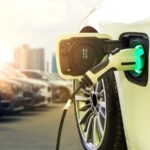
Action Needed to Keep Charging from Short Circuiting EV Purchase Consideration, J.D. Power Finds
J.D. Power 2023 U.S. Electric Vehicle Consideration (EVC) Study reveals that 26% of shoppers say they are “very likely” to consider purchasing an EV, up from 24% a year ago, while the percentage of shoppers who say they are “overall likely” to purchase an EV increases to 61% from 59% in 2022.
Nearly half (49%) of shoppers rejecting the idea of buying an EV say their primary reason is a lack of charging station availability. Charging availability has been the top reason for rejection since the inception of the study in 2021. In fact, across all J.D. Power EV studies, public charging infrastructure consistently scores low in satisfaction.