As Part of DOT’s Push to Bring Traffic Deaths to Zero, Biden-Harris Administration Sends Every State Funding for Commercial Motor Vehicle Safety
The U.S. Department of Transportation’s Federal Motor Carrier Safety Administration (FMCSA) announced approximately $480 million in Motor Carrier Safety Assistance Program grant awards.
Funding supports safety inspections of large trucks and buses, investigations of motor carriers in response to safety concerns, and audits of new truck carriers and bus companies to reinforce responsible operation and ensure the safe movement of goods and passengers.
“Across the entire country, we are making our roadways safer and strengthening our national supply chains with resources made possible by the Bipartisan Infrastructure Law,” said U.S. Transportation Secretary Pete Buttigieg. “The funding we’re announcing today will help our local safety partners invest in initiatives that will continue this important work and make our roadways safer.”
Webinar: Building Customer Satisfaction in a Changed Fleet Environment
Join us for a discussion on improving customer satisfaction in the changing world of fleets, featuring Mark Thomas (Ridecell) and Lukas Neckermann (Neckermann Strategic Advisors). June 13 at 11am EDT / 16:00 BST
If you provide leasing or financing solutions for a vehicle fleet, your world is changing. In this webinar we’ll explore ways to not only meet customer needs, but how to transform operationally to surpass expectation.
To learn more and register, click here.
Fleet Pro Focus: Matt Craig, Fleet Director at Helios Fleet Solutions
By Tod Trousdell, Marketing Consultant
At Fleet Management Weekly, we’re obviously great admirers of fleet professionals - especially hard-working, dedicated leaders like Matt Craig, Fleet Director at Helios Fleet Solutions.
Matt shares his thoughts with us about the current state of the fleet industry and also tells us a little bit about his family and home life.
Looking at the industry today, what excites you most about fleet?
I’m excited about AI capabilities that allow fleets to make quicker adjustments to drivers' safety. AI can detect early signs of fatigue and unsafe driving practices and avoid potential collisions by taking corrective action, such as steering or applying the brakes.
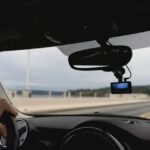
Do Dash Cams Record Video When Your Car Is Off? Here’s What to Know
If you want your dash cam to keep recording even when your car's engine is shut off, purchasing one with a parking mode function is a must. Dash cams with this feature will keep recording what's happening around your vehicle, even after you've turned off the ignition.
These devices have motion or impact detection sensors that activate the camera if they detect movement or something hitting your car. If someone vandalizes, burglarizes, or hits your car while it's parked, the dash cam will record the event, giving you a video record of what happened.
Enhancing Fleet Safety: A NAFA Interactive Fleet Safety Event
Get on the road to fleet safety with NAFA’s second annual Fleet Safety Symposium! Take a dive deep into the most critical aspects of fleet safety programs, ensuring you leave equipped with practical strategies, tools, and insights, understand how to elevate safety standards, and be able to drive positive change within your fleet operations. Learn more and register today.
June 24-26, 2024 - Oakton Community College - Des Plaines, IL
Early bird rates end May 17! Take advantage of discounted pricing by reserving your spot today.