California May Require Bidirectional Charging EVs. That Could Save Lives
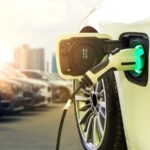
Many questions persistently pop up around electric vehicles, but this one has come up more often than others lately: "How will EVs hold up in a natural disaster?" Over the past year people are using their EVs as home-powering and even life-saving energy generators during extreme weather events.
A new law signed by California Gov. Gavin Newsom is an extremely big deal. That law could end up requiring all new EVs sold in the state to offer V2L charging. With more EVs on the road, they can power homes, support the electric grid during times of need and even supply electricity to medical devices if things get really bad.
AFLA 2025 Canada Summit – Registration Now Open
Join AFLA for the 2025 Canada Summit in Mississauga, Ontario next February 19-20. The Summit Task Force is developing a program focused on the unique challenges and opportunities facing fleet managers with Canadian fleets.
Experience historic Streetsville neighborhood at the Hilton Mississauga/Meadowvale in Mississauga, Ontario.
Register now to secure your spot with early bird savings! Early bird rates will end October 25th.
Best & Worst Cities to Drive in 2024
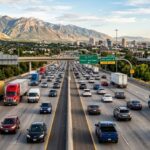
Some cities offer a cheaper, smoother and safer driving experience than others. To determine those places, WalletHub compared 100 of the largest U.S. cities across 30 key indicators of driver-friendliness.
Raleigh, NC, is the best city to drive in, largely because it’s an inexpensive city. It ranks as the seventh-cheapest city when it comes to the average cost for a new car and the average parking rate.
Boise, ID, is the second-best city to drive in, boasting the lowest likelihood of having an accident, at nearly 23% below the national average.
To see the complete list of ranked cities complete with analysis, visit the full article at WalletHub.
Turn Seasonal Risks into Safety Wins: Your Fleet’s Fall Playbook
By Sarah Bechtold, eDriving
As the leaves change and the air turns crisp, fleet managers face a unique set of seasonal challenges. Fall ushers in shorter days, unpredictable weather, and the added risk of holiday distractions.
For managers of small to medium-sized fleets, this time of year requires extra vigilance to ensure drivers are prepared for the hazards that come with the changing season.
By preparing your fleet for the specific challenges of autumn, you can reduce crashes and ensure smoother operations through the rest of the year.
As you navigate the unique risks of both fall and the Halloween season, our driver risk management program, Mentor by eDriving, can support your efforts to keep your fleet safe.
Fleet Street YouTube Series: Watch the Final Episode, See Who Wins the Treasure!
A lost map. An ancient curse. And a race to find 6 mysterious destinations comes to an end with our thrilling final episode of this epic YouTube mini-series.
Watch episode 6 "Destination Tranquilia" Now. Click here to view!
To watch previous episodes on Fleet Street's YouTube Channel, click here.