U.S. DOE Awards Grants to Improve Fuel Economy
The U.S. Department of Energy has awarded $1.5 million grants to Cooper Tire & Rubber Co., Goodyear Tire & Rubber Co. and PPG Industries Inc. to study, evaluate and develop technologies for improving the fuel economy of the nation's vehicle fleet. Cooper hopes to cut the weight of a typical passenger tire by 20%; Goodyear will develop a viable system of enabling tires to remain inflated at their optimum pressure without the need for external pumps or electronics. The grant awarded to PPG will be used to investigate ways to improve the rolling resistance and fuel efficiency of tires through the use of new tread compound and inner-liner technologies.

Toyota Announces Prius Plug-in Model Priced at $32,760
In a surprise to many observers, Toyota formally announced the new Prius Plug-in model will be priced starting at $32,760, well above the price the auto maker had initially signaled. A fully loaded version of the Prius Plug-in will sell for $40,285. The Prius selling price is still about $7,000 less than Chevrolet Volt, but Volt will qualify for a full $7,500 tax credit under the federal government's incentive program, while the new Prius Plug-in will receive only $2500. The smaller incentive reflects the fact that the government program is based on the size of a vehicle's battery pack.
Duane Reade Stores Add Newton Electric Delivery Trucks to Fleet
New York drugstore chain Duane Reade will add Smith Electric's Newton electric trucks to its delivery fleet. The move is part of a plan to reduce pollution, fuel consumption and in time, overall cost. With a range of more than 100 miles after an overnight charge and in excess of 16,000 lbs. carrying capacity, the cost of operating the electric trucks is about one-third the cost of running traditional diesel delivery trucks. Smith Electric says its Newton electric trucks are well-suited for urban settings.
GM, SAIC to Focus on Developing All-New Battery-Electric Vehicle
A senior GM official says the automaker will not provide its Chinese partner SAIC with the technology secrets of the Chevy Volt. The partnership will focus on the development of an all-new battery-electric vehicle. The Beijing government plans to invest billions of dollars in an effort to create a market for various forms of battery electric vehicles in the coming years, and GM does not want to be left out. Details of the new GM/SAIC project have not yet been released.
Driver Behavior Key to Achieving Recommended MPG
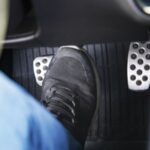
A report issued by the University of Michigan's Transportation Research Institute says a combination of lead-footed driving, improper auto maintenance and poor route selection can reduce a car's fuel economy by as much as 45 percent. The report's authors determined that the average real-world fuel economy in the U.S. is 17.4 mpg, far less than the 2011 new car model-year federal corporate average fuel economy mandate of 27.5. Tips to drivers to help cars operate more efficiently include ensuring the engine is properly tuned, oil changes at recommended intervals, and keeping tires properly inflated.