Giving Thanks
"Be present in all things and thankful for all things." ~ Maya Angelou
Our FMW team thanks our readers and contributors and wishes you all a peaceful and happy Thanksgiving.
Please note that the next edition of the FMW newsletter will be on December 4th, and that you can check in at FleetManagementWeekly.com for daily updates.

NYC Congestion Pricing Dead? Not so Fast!
New York Governor Kathy Hochul is moving quickly to revive the city’s congestion pricing plan, which would charge drivers entering midtown and lower Manhattan to reduce traffic and emissions.
Originally set to start this summer, the first-in-the-nation tolling program was paused due to political concerns, but Hochul is now pushing for a reduced toll rate of $9 instead of the planned $15. This shift aims to fast-track approval from the U.S. Department of Transportation while President Biden, who supports the policy, is still in office.
President-elect Donald Trump has openly opposed congestion pricing, pledging to eliminate the program during his first week in office. Trump’s opposition has spurred congestion pricing advocates to call on Hochul to act swiftly to secure the program.
A State of the Art Bed Liner
Patriot has a state of the art bed liner product that’s been perfected through over 30 years of industry experience.
Which Fuel-Efficient Vehicles Are Most Available?
Fortunately, inventory has rebounded this year in a way that makes EVs in particular an extremely good deal. Federal tax credits for electric and plug-in hybrid vehicles are easier than ever to access for eligible models, too, as you can apply the credit directly to the purchase price.
However, shoppers looking for a gas-electric hybrid may still have to fight the crowds to get what they want, as hybrids are having a bit of a moment right now.
Cars.com has compiled a listing with the most available new all-electric, hybrid and plug-in hybrid vehicles ranked by total inventory among Cars.com dealers. Starting the list are the Ford Mustang Mach-E, Hyundai Ioniq 5 and the Ford F-150 Lightning.
These U.S. States Desperately Need More EV Chargers
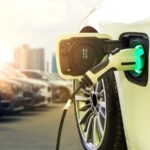
The number of EVs on the road is growing. Recent figures show the EV market share closing in on ten percent nationally. EV infrastructure is improving to meet the demand. The number of EV charging points in America increased by 29 percent nationwide in 2023. But is that increase happening quickly enough?
Different states have different needs for EV charging. An interesting metric for how successful states have been at providing EV infrastructure is to look at their EVs per charging point ratio. The more registered EVs a state has, the more public charging points it needs. And many states - even avowedly EV-friendly ones - may be far from where they need to be with EV charging infrastructure.