Trump’s Tariffs Could Have Global Effect on GM Operations
In response to the Trump Administration's requested study, General Motors sent a letter complaining that further tariffs on imported auto parts and materials could result in higher car prices and, ultimately, a smaller GM.
As GM alludes to in its letter, the threat of more tariffs comes at a sensitive time for the company. Half of the cars on the road will be electric by 2030, estimates show.
Read the article at Fast Company.

Trump’s Import Tariffs May Weaken Economy and Lose U.S. Jobs
Japanese automakers warned the U.S. government Friday that tariffs would result in higher prices for domestic car-buyers and drastic changes to their manufacturing strategies as well as “rebalancing measures” by other countries hurting U.S. manufacturing and agriculture.
General Motors Co. stated that tariffs of up to 25 percent on imports of cars and auto parts could weaken the company and put jobs of U.S. autoworkers at risk.
Read the article at The Detroit News.
Bill Ford, Jr: ‘It’s the Most Interesting Time That I’ve Seen in My Lifetime’
Bill Ford, Jr. says his mission since day one has been to build a bridge between environmentalists and the business community.
"I was just appalled at the mentality that existed throughout the company towards the environment and, frankly, towards anything outside of Detroit," Ford tells CNN's Poppy Harlow in the latest episode of Boss Files.
Read the article at CNN Money.
Automakers Aren’t Necessarily the Best at Deciding What’s Installed in Their Cars
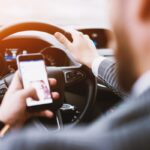
For the last three or four years the AAA Foundation for Traffic Safety has been studying the explosion of technology in the vehicle, and how to minimize the driving distractions that kill 3,500 people and injure 390,000 in U.S. crashes every year.
People are addicted, and even condemned by some of the people who do it - sending text messages while driving is illegal in all but three states (Montana, Arizona, Missouri) and calling someone on a handheld cellphone while driving is banned in 15 states.
“If you start to take your eyes off the road for more than two seconds you start to see the crash risk increase,” David Strayer, author of the study said. “The matter of time it takes to read a text is about 4½ seconds, so the shorter the interaction and the easier the interaction, the less it competes with driving.”
Read the article at The Washington Post.
Growing Danger for America’s Most Vulnerable Road Users: Death by SUV
Almost 6,000 pedestrians died on or along U.S. roads in 2016 alone, and the SUV revolution is a leading cause - pedestrian deaths nationwide are up 46 percent since 2009.
Vehicle safety measures, which the federal government says could save hundreds of pedestrian lives every year, are available but not widely employed by some automakers — nor are they required.
"Along with automakers, cities can take action that saves pedestrians. New York City, for example, cut such deaths nearly in half in just four years. The need for steps such as lower speed limits, more midblock crosswalks and better lighting grows in urgency as automakers move strongly toward truck and SUV production."
Read the article at Detroit Free Press.