Is Your Business Ripe for Disruption? How to Tell
It’s up to every business leader to determine his or her company’s ultimate fate: is it a disruptor itself or is it destined to become one more casualty?
By John Wysseier, CEO and President, The CEI Group, Inc.
In the world of business, disruption is more than a buzzword, it’s a fact of life for most companies.
According to Accenture, a global consulting company, 71 percent of the 10,000 companies around the globe it analyzed last year for its second Disruptability Index were in the throes or on the brink of significant disruption brought on by technological innovations, new competitors, new regulations, and by social, cultural or demographic shifts. So, it’s likely that yours is one of them.
What’s more, Accenture found that none are entirely free of some level of current or potential disruption.

Is Free Public Transport In Cities The Way Forward?
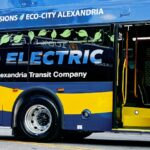
In September 2018, the French city of Dunkirk, with a population of just over 90,000, and a total of 257,000 in its metropolitan area, launched a free bus system for residents and visitors.
A study on the experience shows that bus use has skyrocketed more than 60% on weekdays and more than doubled on weekends, with 48% of users saying they now leave their cars at home. 5% said they have sold their car or decided not to purchase a second vehicle. A third said they now make trips they wouldn’t have otherwise.
This increased demand is not due solely to the availability of free and convenient transportation, but also to the fact that it is frictionless: people don’t have to worry about travel cards, cash or identification.
Read the article at Forbes.
European Electric Carmakers Vie for Market Dominance
Automakers are struggling to find a strategy that works for Europe as strict new emissions targets come into play in January - or face billions in fines.
Renault's electric plug-in compact model Zoe, Tesla's Model 3, and Volkswagen Group's battery-powered ID.3 are the up-and-coming players.
VW will be hedging its bets on the car-buying public. The carmaker is aggressively rolling out car-sharing services in parts of Europe that will overwhelmingly feature battery-powered and electric vehicles. The upside is clear: the more BEVs it gets on the road the less likely it is to pay a hefty emissions fine.
Read the article at Fortune.
Oil Prices Soar After Attacks On Saudi Facilities
Oil prices hit their highest in four months after two attacks on Saudi Arabian facilities on Saturday knocked out more than 5% of global supply.
At the start of trading, Brent crude jumped 19% to $71.95 a barrel, while the other major benchmark, West Texas Intermediate, rose 15% to $63.34.
State oil giant Saudi Aramco said the attack cut output by 5.7 million barrels per day, at a time when Aramco is trying to ready itself for what is expected to be the world's largest stock market listing. The drone attacks on plants in the heartland of Saudi Arabia's oil industry included hitting the world's biggest petroleum-processing facility. The US has blamed Iran.
Read the article at BBC.
Geotab: Telematics Can Help Fleets Prepare for Weather Disasters
“When there’s a hurricane, fleets need to know that their vehicles are capable of operating for hundreds of miles over several days to evacuate endangered areas and to help victims of the storm"
By Mark Boada, Executive Editor
By now, most fleet managers are familiar with many of the potential benefits of telematics. Among the most well-known are real-time reports on where their vehicles are, how many miles they’ve logged, engine trouble monitoring, and assessing driver behavior for improved fleet safety.
But how many know that telematics can also help fleets be prepared for hurricanes and other weather emergencies? That came to this writer’s attention last week when Geotab reached out about a blog on its website with the headline, “Florida prepares for Hurricane Dorian: real time data insights.”