Tesla Tops JD Power EV Public Charging Study
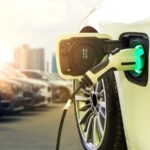
August 17, 2022 - JD Power just released the results of its second annual US Electric Vehicle Experience (EVX) Public Charging Study, and Tesla is the champ.
As more and more people adopt EVs, charging infrastructure is paramount. That said, many EV owners have shared that they're not happy with the public charging situation as it stands. There simply aren't enough charging stations, and oftentimes many aren't working.
JD Power says despite the fact that there are more public charging stations than ever before, owners' satisfaction as a whole declined year over year. On the flip side, Tesla owners tend to rave about the Supercharger network thanks to its widespread locations, ease of use, and excellent reliability.

Mobile Apps for Maintenance Buy You Efficiency, Time & Dollars
These mobile maintenance apps are easy and intuitive for your mechanics to use. They’re also big time savers and have a high adoption rate.
UVeye and Tekion Partner to Enhance the Dealership Customer-Service Experience
UVeye is integrating its advanced vehicle-inspection systems with Tekion's end-to-end cloud-native platform, Automotive Retail Cloud (ARC).
The two technology companies are joining forces following UVeye's recent collaboration with General Motors. The collaborative effort will enable dealers that utilize Tekion's ARC to benefit from the seamless integration of UVeye systems.
"Our partnership with Tekion is just one of many steps UVeye is taking to improve and revolutionize the customer-service experience at dealerships through unprecedented levels of transparency," says Amir Hever, the company's CEO and co-founder.
By combining UVeye's AI-powered vehicle scanning devices with Tekion's innovative cloud-native software, service customers and dealership employees will be able to receive comprehensive vehicle-condition reports instantaneously. The reports are designed to provide clarity and enhance the customer-service experience by helping users decide on the best service solutions possible.
How Roundabouts Improve Traffic Safety and Lower Carbon Emissions
August 18, 2022 - Carmel, Indiana, is sending drivers for a loop — by design. The city is home to 142 roundabouts and counting — more than any other city in the country. Mayor James Brainard said they make the community safer and greener.
The roundabouts keep vehicles flowing, but they also slow traffic down, and slower traffic makes the roads safer for pedestrians and bicyclists. Roundabouts don't require electricity, so they continue to function during power outages and severe weather that can black out a traditional stoplight intersection.
There has been a bit of a learning curve for drivers, but Carmel has been able to remove traffic lanes even as its population has more than quadrupled. The Insurance Institute for Highway Safety found that Carmel's switch to roundabouts cut injury crashes in the city by nearly half. Busy intersections, like highway exits, saw an 84% drop.
Great Networking at the NETS Safety Conference – In Person and Online
We would love to see you in person at the NETS annual STRENGTH IN NUMBERS Benchmark Conference in Ann Arbor, but - if that’s not possible - this is a hybrid event that you can still attend online. And both options offer great networking opportunities.