The Feeling of Success
By Suresh Rajapakse, Vice-President of Client Management, Wheels
The new Wheels is now comprised of three legacy fleet and mobility management leading organizations. The merging of three distinct corporate cultures is not simple, but it has been made much easier because of one significant common denominator. We all operated with a single-minded passion for client success.
It starts with understanding our clients’ businesses and fleet operations at a deep level and then collaborating with them to discover new ways to achieve their goals and overcome challenges. The result is a clear understanding of our clients’ objectives, along with alignment on how each client defines success.
It doesn’t just stop with the plan. Once we have achieved the goals we have set for our clients in that initial period, we may improve or exceed that same target, or we might focus on a different area. It is a continuous cycle and a strive for optimal fleet performance.
CA Hits EV Target Ahead of Schedule. It’s Not the First Place to Do So, and Won’t Be the Last
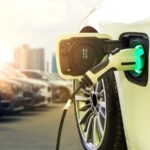
As of the end of Q1 2023, California now has 1,523,966 total EV sales, with 1,051,456 of those being battery-electric and the remainder mostly PHEVs, with some fuel cell cars mixed in.
California Governor Gavin Newsom announced a planned 2035 ban on ICE-only vehicles in 2020. The ban was finalized last year, keeping the same 2035 target, though loosening it slightly to allow some PHEVs. Nationally, last week the EPA announced new emissions rules which could result in 67% of new car sales being electric in the US by 2032.
Driving into the Future: The Latest Advances in Automotive Security
With advanced technology integration into vehicles, the automotive industry has also made cars potentially susceptible to security attacks. To combat this, automotive manufacturers have developed cutting-edge technologies that are changing the face of automotive security.
One of the cutting-edge technologies that is being developed includes biometric authentication. Biometric systems use unique physical or behavioral traits to verify the driver’s identity, enhancing security. Biometric authentication uses unique physical characteristics such as fingerprints or iris scans to verify the driver’s identity and prevent unauthorized access.
Fleet Success Summit 2023 Brings Fleet Leaders Together
"If you’re miserable at work, what does that do to your family? As leaders, we have a stewardship and responsibility to our people to create an amazing environment so they can go home and have energy for the people who matter most."
Josh Turley, the CEO of RTA, reiterated that point as he talked about the importance of establishing an Intentional Culture during the closing of the second Fleet Success Summit.
The event, held in Las Vegas from March 21-22, brought together fleet professionals from various industries to spend two days focusing on skills fleet leaders don’t always get at other conferences – leadership, business, and technology.
Frito-Lay Aims to Use Over 700 EVs In Its Delivery Fleet by the End Of 2023
Frito-Lay has announced a nationwide initiative to reduce its greenhouse gas emissions. Instead of relying solely on traditional trucks to shuttle snacks all over the country, Frito-Lay has decided to include over 700 electric vehicles in its operations by the end of the year.
For over a decade, Frito-Lay has made a concerted effort to be more environmentally friendly in how it transports products. As early as 2011, the company began to use compressed natural gas vehicles on the route. Frito-Lay's ambition to be more sustainable has only grown, as it has a goal to attain net-zero emissions by 2040. According to the Frito-Lay website, a renewable energy vehicle fleet will result in savings equal to the output of 8,000 natural gas homes.