Blink Charging and AAA Are Pairing Up to Support EV Drivers
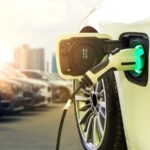
Blink Charging and AAA are partnering up, which means EV solutions and charging services are going to expand for AAA members. Blink has already installed onsite EV chargers at “numerous” AAA branch offices, AAA-owned repair facilities, and auto repair shops.
Blink says that 19 AAA clubs and affiliates at over 60,000 locations across the US are going to benefit from the partnership. It will reduce costs for members through a streamlined ordering process and preferred pricing options. By introducing additional EV charging solutions to their facilities and fleets, AAA clubs hope to attract more EV drivers to become members, as the program is going to equip roadside assistance providers with the tools and skills to more effectively serve EVs.

Almost One-Third of Traffic Fatalities Are Speed-Related Crashes
The National Highway Traffic Safety Administration has launched its “Speeding Wrecks Lives” speeding prevention campaign to address the crisis of deaths on our roadways through its National Roadway Safety Strategy. The campaign will run from July 10-31.
NHTSA released new data on speeding, showing that speeding-related fatalities increased 8% from 2020 to 2021, with 12,330 people killed in 2021 speeding-related crashes. This represents 29% of all traffic fatalities in 2021. Many drivers in speeding-related crashes also engaged in other risky driving behaviors. Drivers in fatal crashes who were speeding were also impaired by alcohol more frequently than drivers who were not speeding.
NHTSA: July is National Vehicle Theft Prevention Month
In 2022, more than 1 million vehicles were stolen in the United States — and about half of those thefts were due to driver error. To help drivers keep their vehicles safe, NHTSA is continuing its annual Vehicle Theft Prevention Campaign during July - National Vehicle Theft Prevention Month.
NHTSA urges you to take several common-sense steps to prevent your vehicle from becoming a statistic. First and foremost, take your key. Never leave it in or on your vehicle. Close and lock all windows and doors when leaving the vehicle and park in well-lit areas if possible. Also, don’t leave any valuables in plain sight. Thieves are also looking not only to steal whole vehicles but are also interested in parts.
Right-To-Charge Laws Bring the Promise of EVs to Apartments, Condos and Rentals
More than 3.6 million electric cars are driving around the U.S., but if you live in an apartment, finding an available charger isn’t always easy. Grocery stores and shopping centers might have a few, but charging takes time and the spaces may be taken or inconvenient.
Several states and cities, aiming to expand EV use, are now trying to lift that barrier to ownership with “right to charge” laws. Illinois’ governor signed the latest right-to-charge law in June 2023, requiring that all parking spots at new homes and multiunit dwellings be wired so they’re ready for EV chargers to be installed. Colorado, Florida, New York and other states have passed similar laws in recent years.
CerebrumX Survey: AI Adoption Remains a Challenge for Fleet and Insurance Industries
CerebrumX announced results of a recent industry survey designed to take the pulse of insurance and fleet business leaders who are or might consider using AI.
Respondents said it's difficult getting the team on-board with adoption, usage strategies. Further, C-level execs are apparently not convinced of AI usage. Budgetary concerns were also a challenge.
“We believe...there is more education needed...in helping them understand how to leverage the right platforms to access and analyze the data needed for today’s AI-powered...programs,” said Sandip Ranjhan, CEO of CerebrumX.