How EROAD Helps Non-Electric Fleets Reduce Emissions
By Fleet Management Weekly Staff
EROAD’s fleet management platform helps fleets enhance driver safety, automate tax and compliance initiatives and streamline maintenance, while lowering their carbon footprint through a connected telematics platform.
To learn more about how EROAD is helping fleets reach their sustainability goals, we sat down with Craig Marris, EROAD’s Chief Sustainability Officer and Executive Vice President of Transportation and Cold Chain.
"We have a team of well-qualified data scientists and also work closely with our customers to get the operational lens, then curate the information using smart predictive algorithms. Part of being effective in AI comes down to the dataset. It’s about understanding the information..."
NAFA Seminar in New Orleans: Essentials of Fleet Management
NAFA’s one-stop training program, the Essentials of Fleet Management Seminar, returns as a live experience this October in New Orleans! If you are new to fleet, or growing in your role, this immersive program will guide you through the latest best-practices, strategies, key skills, and resources for managing your fleet.
Early Bird rates are available! Reserve your spot today. Essentials of Fleet Management Seminar • October 16-18 • New Orleans, LA. Click here to register
Adding EVs, PHEVs to your Fleet? 5 Reasons to Consider a Charging at Home Program
By Kate Harrison, MoveEV
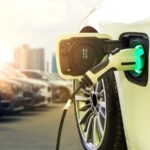
The global shift towards electric vehicles (EVs) is reshaping the automotive industry and the increasing number of EV options. However, this transition comes with its own set of challenges. One significant hurdle is ensuring a reliable and convenient charging infrastructure.
While installing charging stations on-site is an option, it can be costly and time-intensive. A more pragmatic and cost-effective solution is to introduce a charging at home program for employees who drive EVs.
Tesla is Investing $76 Million in a Groundbreaking and Futuristic New Technology: ‘There’s no going back’
Tesla has made a major investment in a new type of technology — one that would allow drivers to charge their EVs without any plugs at all. In the perhaps not-so-distant future, drivers could charge their Teslas by simply parking on top of a charging pad, making the process incredibly easy.
Wireless charging technology would allow for chargers to be built into the roads themselves, eliminating both range anxiety and the need for drivers to stop for charging. “Once wireless is in the roads and you’re driving from San Diego to San Francisco without having to stop and charge, there’s no going back,” said Jeremy McCool, founder of wireless charging startup called HEVO.
What to Do if You’re in a Crash with a Self-Driving Car
What happens if you get into a crash involving a driverless car? If you’re a rider, stay buckled and wait in the car if you can. Passengers can get out of the car on a nearby sidewalk if necessary. Then, a support specialist will contact the person and get them help immediately.
But what if you’re driving in your own vehicle and you get into a collision with a driverless taxi? The Insurance Information Institute says you should contact your insurance company right away to help you assess the damage, take photos and provide your statement. Fault will then be determined from the assessments, photos, and statements. In the end, claims will be paid out just like any other car accident.