Top Five Technology Trends in Fleet Electrification for 2024
By David Lewis, Founder & CEO of MoveEV
As the EV wave sweeps the country, savvy fleet managers are ramping up their electrification plans.
But with the technology advancing at a breakneck pace, staying on top of the latest developments can be a full-time job..
Knowing which of these technologies offer tangible benefits today, rather than distant promises, is crucial. Forward-thinking fleet managers should be actively integrating the top trends into their strategies.
By following these emerging trends, savvy fleet managers can outperform their competition and stay ahead of the curve, while also moving their organization towards a greener future.

Get Green Insights from Wheels’ Leading Fleets
Sustainability is now a goal for almost every organization. It is why we launched our first "Environment Sustainability Report" three years ago. Today, it tells a story. Eighty-nine percent of the fleets we surveyed are actively pursuing sustainability goals.
These fleets are dedicated, eco-driven stewards taking control of their green fleet narratives. In the report you will find their invaluable insights.
Download Wheels’ “2023 Environmental Sustainability Benchmark Report” to discover best practices and trends fleets are implementing to go green.
Navigating Winter in Fleet Management: Insights and Tips
By Ryan Ziegler, Mobile Technician Lead, Cox Automotive
As winter descends with its icy grip, those of us in fleet management must brace for the impact. To give you a front-line view, I've turned to my colleague, Ben Deisig, a Senior Mobile Diesel Technician, who brings his Michigan-honed wisdom to the table.
"Be prepared for anything," Ben says. "Have some form of ice melt on hand at all times. Drivers should be prepared for the worst before leaving each time. Better to be over-prepared than not prepared."
"A lot of what a fleet can do is pay attention to their local guidelines as well as the guidelines of the routes they use," he reminds us.
Winter isn't just a season—it's a call to action for those of us in fleet management.
By preparing thoroughly, planning for emergencies, and educating our teams, we can confidently steer through the coldest months and keep our operations running smoothly.
GM and Ford EV Owners to Get Tesla Supercharger Access as Soon as February
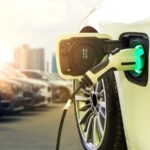
Virtually all automakers selling electric vehicles in North America have announced that they will adopt Tesla’s NACS connector in future electric vehicles to take advantage of the Supercharger network.
Jenny Pretare, Tesla Design Manager of Charging Infrastructure, was asked if the new station is only for Tesla owners, and in her response, she revealed interesting new details about the rollout: “Our first car companies, Ford and GM, are starting in February of 2024. Once they have the charge port (probably meant adapter) and software to interface with our charging stations, they will actually be open to those vehicles.”
Valeo has now Produced 20M Front Camera Systems with Mobileye Technology
Valeo, a global leader in advanced driving assistance systems (ADAS), marked a significant achievement by producing its 20 millionth front camera system incorporating Mobileye technology.
The front camera system, utilizing the Mobileye EyeQ, enhances road user safety by supporting critical features such as autonomous emergency braking, adaptive cruise control, lane-keeping assist, and traffic sign recognition.
As over 90% of road accidents are caused by human error, ADAS plays a crucial role in transforming mobility by enhancing safety and comfort. The ADAS market is projected to grow by 17% annually, reaching 60 billion euros in 2030.