White Metal Market Performance in the First Half of 2024
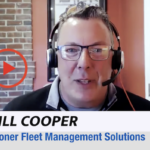
Industry expert Bill Bishop shares his insights on what has happened in the White Metal Market in the first half of 2024.

The White Metal Market Report
In today’s top video, industry expert Bill Bishop shares his insights on white metal market trends in the first half of 2024. It’s chock-full of great info, and you can watch it HERE.
Experts in Electrification
Our second video today is a fun, creative clip from electrification experts ABM. Watch it HERE. Learn more about how ABM can help electrify your fleet HERE.
Speaking of EVs, we’ve got a great article in this issue on how Harbinger has modernized the medium-duty EV and helped to make electrification more affordable for fleets. You can read the article HERE.
Ted Roberts
President
EV Fleet Solutions from ABM
Meet the experts in fleet electrification. ABM helps leading organizations build out EV strategies that set them up for success.
Celebrate America Safely This July 4th
This Independence Day, local communities across the country are supporting NHTSA's national Buzzed Driving Is Drunk Driving awareness campaign.
Tips to Celebrate Safely
If you plan to drink, make a plan ahead of time for a sober ride home.
Even if you’ve had only one drink, let someone who hasn’t been drinking take you home. A sober driver is one who does not drink at all, not the one who’s had the least to drink.
If you’re hosting a Fourth of July gathering, help the designated drivers out by making sure there are plenty of non-alcoholic beverages.
Have a friend who is about to drive impaired? Take the keys away and make arrangements to get your friend home safely.
If you see an impaired driver on the road, safely pull over and call 911.
Always wear your seat belt.
2024 State of Sustainable Fleets Market Brief
Five years of assessing the State of Sustainable Fleets has revealed a clear reality: Clean technology is here to stay. A slew of new emissions regulations adopted in the past two years, combined with the growing pains of new technology, spotlights a period of peak complexity for fleet operators.
Download the Market Brief to understand the implications of critical regulations such as California's Advanced Clean Fleets rule and the U.S. EPA's Clean Trucks Plan, both setting stringent new emission standards and mandates for zero-emission vehicles.
To learn more and download the report, click here.