Businesses Plan for the Future with EV Charging Stations
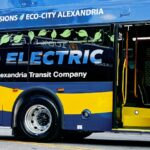
Fewer than 15,000 all-electric cars are currently on U.S. roads, but the number of vehicle charging stations is growing fast. Many business owners are investing in electric vehicle charging stations to be ready for the future and to offer EV owners the convenience of recharging while they shop.

Used Vehicle Sales Still There, but Buying Trends are Changing
In the dwindling off-lease vehicle wholesale market, used vehicle sales performed well, but consumers were more frugal in September. National Auto Auction Association economist Ira Silver said used-car sales increased 4.6% year-over-year, led by sales at franchised dealers with an 11.5% increase. Black Book editor Ricky Beggs said low-end cars are outselling late-model vehicles at auction.
ATA Chief Economist: No Double Dip Recession
A panel of economic experts attending a recent ATA Management Conference and Exhibition dismissed the idea of double-dip recession in the U.S. while acknowledging economic growth will still be too slow to make a dent in unemployment numbers. ATA Chief Economist Bob Costello said truckload volumes fell 23% during the recession but are back up about 10%, and revenue per mile is increasing.
Survey Finds EVs May be Tough Sell
A survey by the Deloitte consulting firm of 13,000-plus consumers in 17 countries found that real-world electric vehicles may not be an easy sell. Among its findings: India is most receptive to EVs while Japan is least receptive, 65% of U.S. consumers expect to pay no price premium for an EV, and only 63% of U.S. drivers are satisfied with a range of 297 miles. Most consumers surveyed expect a battery recharging time of less than 2 hours.
New High-Tech Safety Systems Developed by Nissan
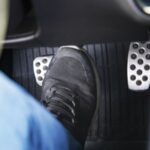
Responding to the growing consumer demand for safer vehicles, Nissan has developed new high-tech safety systems designed to help prevent collisions or, where that's not possible, reduce the chance of injuries and fatalities. The safety technology trio includes Nissan's Acceleration Suppression for Pedal Misapplication, Multi-Sensing System with Rear Camera, and Predictive Forward Collision Warning System.